Choosing a career is one of the most important decisions you’ll make, especially if you’re looking for a profession that offers both personal fulfillment and long-term growth opportunities. If you’ve been researching careers in Applied Behavior Analysis (ABA), psychology, special education, or healthcare, you’ve probably come across the role of a Registered Behavior Technician (RBT). But is becoming an RBT actually a good career choice?
The answer depends on your interests, personality, career goals, and expectations. For many people, working as an RBT is an incredibly rewarding experience because it allows them to directly help individuals with autism spectrum disorder (ASD) and other developmental disabilities develop important life skills. RBTs often witness meaningful progress firsthand, making the work highly impactful and fulfilling.
However, the profession is not without its challenges. The job can be physically active, emotionally demanding, and requires a high level of patience and consistency. Like any career, it comes with both advantages and disadvantages that should be carefully considered before pursuing certification.
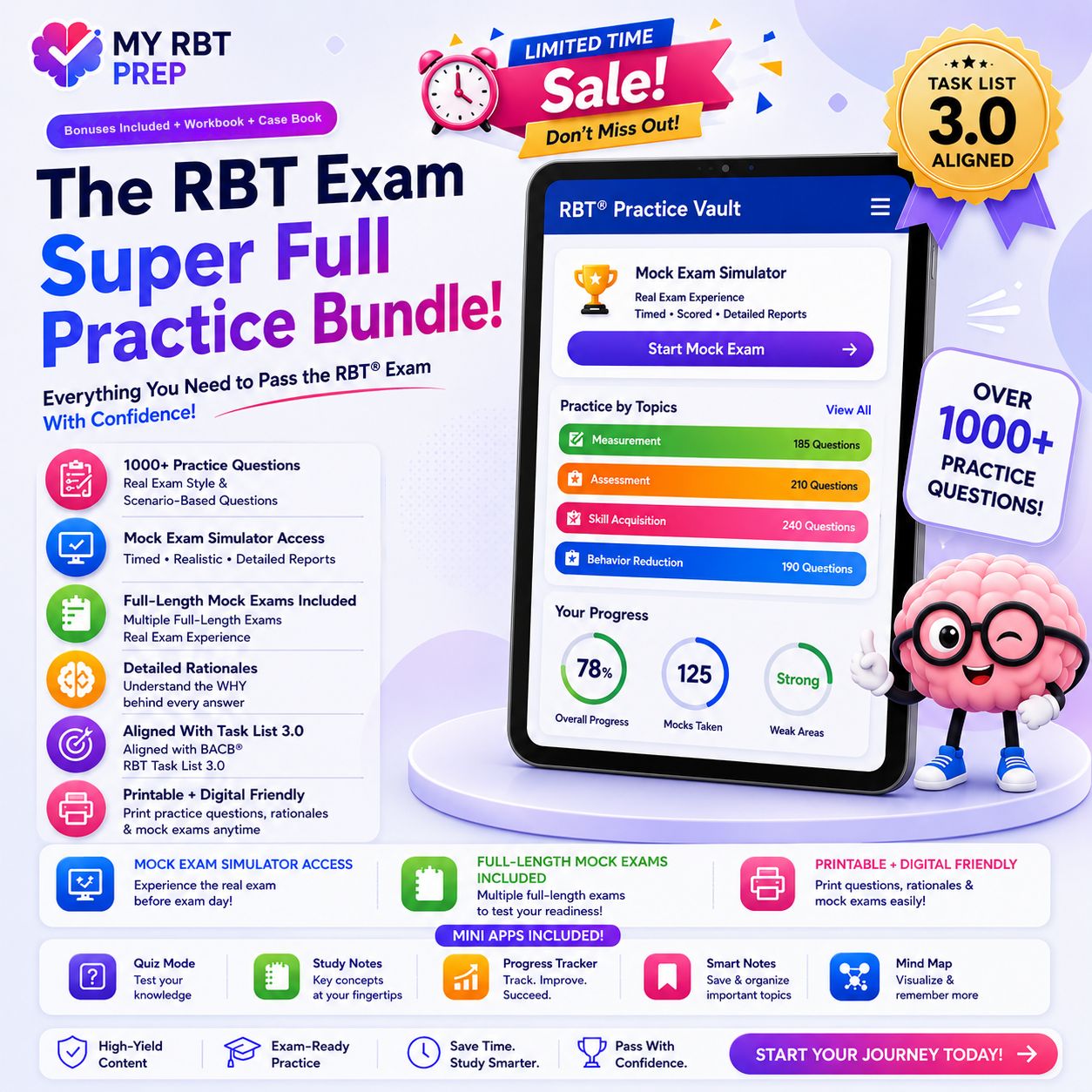
Pass Your RBT® Exam on the First Attempt
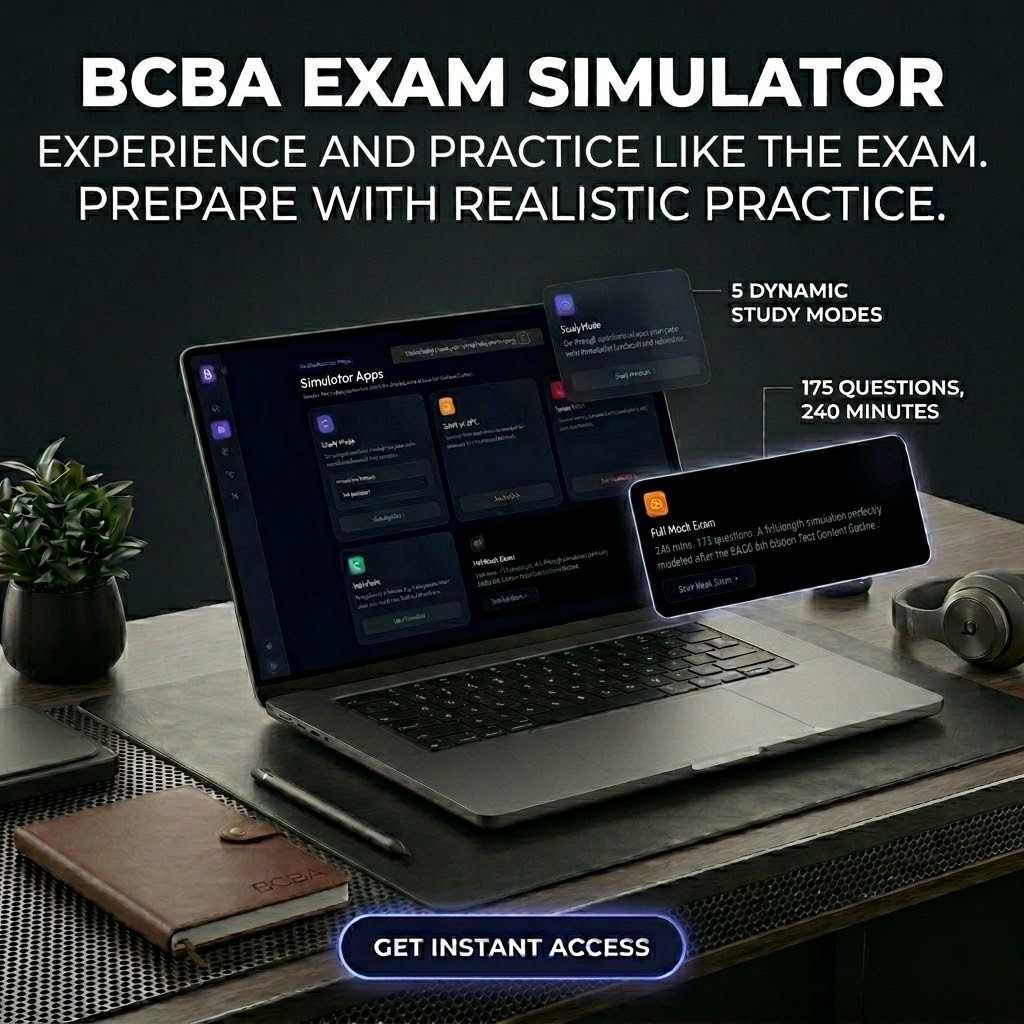
Practice with 1,000+ realistic scenario questions, multiple full-length timed mock exams, and detailed rationales formatted exactly like the real Pearson VUE test.
In this comprehensive guide, we’ll explore the major pros and cons of becoming an RBT, discuss salary expectations, career growth opportunities, and help you determine whether this growing profession is the right fit for your future.
What Does an RBT Actually Do?
Before evaluating whether the profession is a good career choice, it’s important to understand what RBTs actually do on a daily basis.
A Registered Behavior Technician is a certified paraprofessional who works under the supervision of a Board Certified Behavior Analyst (BCBA). RBTs provide direct behavioral services to clients by implementing treatment plans, teaching new skills, collecting data, and supporting behavior reduction programs.
Most RBTs work directly with children diagnosed with autism, although some may also work with adolescents and adults. Sessions may take place in homes, schools, clinics, hospitals, or community settings. Throughout these sessions, RBTs help clients improve communication, social interaction, academic readiness, daily living skills, and independence.
Unlike many jobs that involve sitting behind a desk all day, RBTs spend most of their time actively engaging with clients. This hands-on nature makes the profession appealing to individuals who enjoy working directly with people and seeing the results of their efforts in real time.
Common RBT Responsibilities
| Responsibility | Description |
|---|---|
| Skill Teaching | Teaching communication, social, and daily living skills |
| Data Collection | Recording client progress during sessions |
| Behavior Support | Implementing behavior intervention plans |
| Documentation | Completing session notes and reports |
| Collaboration | Working with supervisors and families |
Pro #1: You Make a Real Difference in People’s Lives
One of the most rewarding aspects of being an RBT is the opportunity to create meaningful change in the lives of individuals and families. Unlike many careers where the impact of your work may not be immediately visible, RBTs often witness progress firsthand.

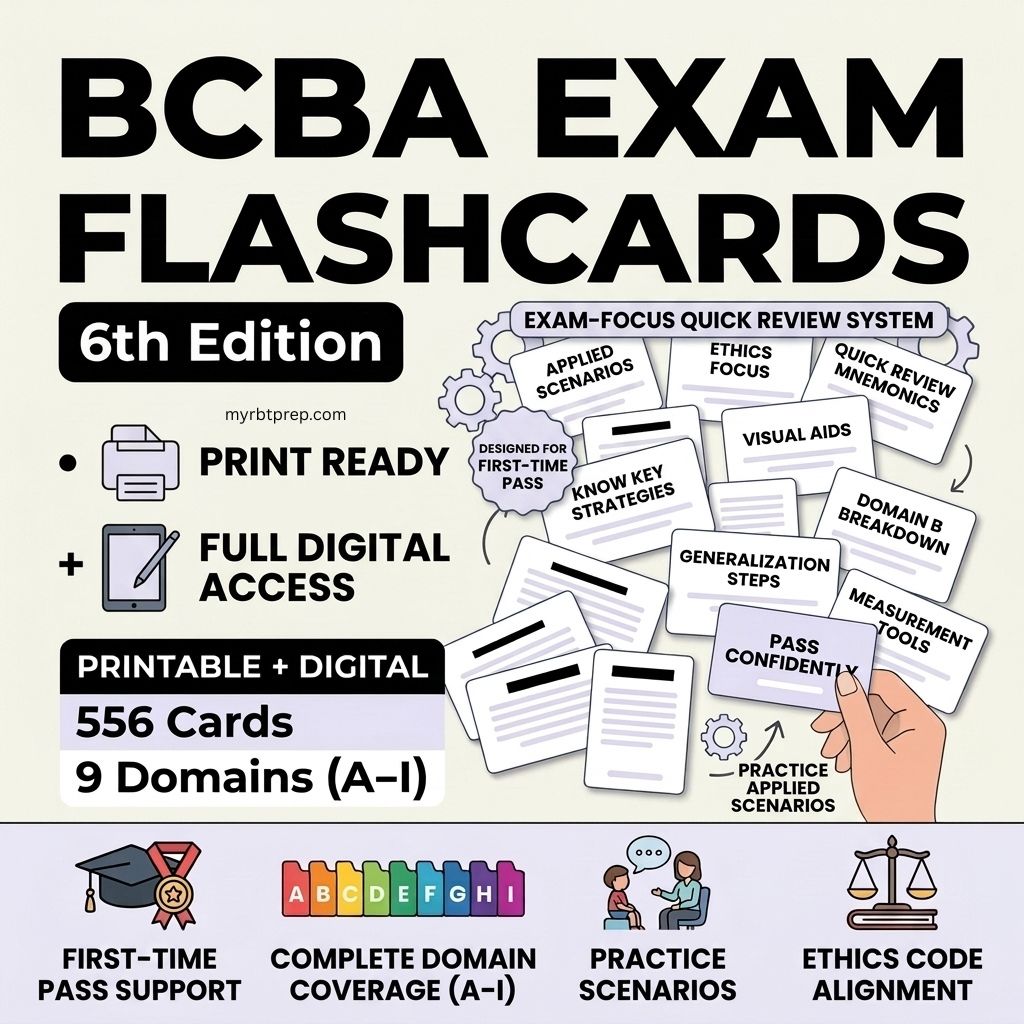
RBT® Exam Flashcards & Study App (3rd Edition)
Master essential ABA terminology and clinical discrimination across all 6 BACB task list areas with 500+ printable and digital flashcards, real exam cues, and full mobile app access.
For example, you may work with a child who initially struggles to communicate basic needs. Over time, through consistent intervention and support, that child may learn to request items independently, engage with peers, or express emotions more effectively. These achievements may seem small to outsiders, but they can be life-changing for both the individual and their family.
Many RBTs report that watching clients reach goals and gain independence is one of the most satisfying parts of the profession. Knowing that your daily efforts contribute to someone’s long-term success can provide a strong sense of purpose that many traditional jobs simply cannot offer.
Pro #2: Strong Job Demand and Employment Opportunities
The demand for ABA services has grown significantly over the past decade, and that growth continues today. As awareness of autism spectrum disorder increases and more families seek behavioral services, employers across the country are actively hiring RBTs.
This demand provides a level of job security that many entry-level professions lack. Clinics, schools, healthcare organizations, and home-based service providers frequently need qualified technicians to support their growing caseloads.
Another advantage is flexibility. Because ABA services are offered in multiple settings, RBTs often have opportunities to choose environments that best match their preferences. Some professionals enjoy working in schools, while others prefer home-based therapy or clinic settings.
For individuals seeking a career with strong employment prospects and consistent demand, becoming an RBT can be a smart choice.
Pro #3: No College Degree Required
One reason many people enter the field is that becoming an RBT does not require a college degree.
Unlike professions such as psychology, counseling, occupational therapy, or speech-language pathology, which often require years of higher education, RBT certification has relatively accessible entry requirements.
Candidates generally need to:
- Be at least 18 years old
- Have a high school diploma or equivalent
- Complete a 40-hour training program
- Pass a competency assessment
- Pass the RBT certification exam
Because the certification process is much shorter than earning a degree, individuals can begin working in the field relatively quickly. This makes the profession particularly attractive for recent high school graduates, career changers, and individuals interested in healthcare but not yet ready to pursue a college degree.
Pro #4: Excellent Experience for Future Careers
Many people do not remain RBTs forever—and that’s perfectly okay. In fact, one of the greatest benefits of the profession is the valuable experience it provides for future career growth.
Working as an RBT exposes individuals to behavior analysis, developmental disabilities, data collection, intervention planning, and professional collaboration. These experiences can strengthen applications for graduate programs and make candidates more competitive in related professions.
Many former RBTs go on to become:
- BCBAs
- Psychologists
- Special education teachers
- Occupational therapists
- Speech therapists
- Counselors
- Social workers
The hands-on experience gained through ABA services provides a practical understanding of client care that many educational programs highly value.
Career Opportunities After RBT
| Career Path | Typical Next Step |
|---|---|
| BCaBA | Bachelor’s Degree |
| BCBA | Master’s Degree |
| School Psychologist | Graduate Training |
| Special Education Teacher | Teaching Certification |
| Counselor | Master’s Degree |
Pro #5: Every Day Is Different
Many people dislike repetitive jobs where every day feels exactly the same. One advantage of being an RBT is that no two days are truly identical.
Each client has different goals, strengths, learning styles, and challenges. As a result, sessions often vary depending on the individual’s needs and progress.
One day you may be helping a child improve communication skills, while another day may focus on social interactions or daily living tasks. This variety keeps the work engaging and can make the profession more enjoyable for individuals who prefer dynamic environments.
Because of this diversity, many RBTs find the job stimulating and less monotonous than traditional office-based roles.
The Challenges of Being an RBT
While there are many advantages to becoming an RBT, it’s equally important to understand the challenges associated with the profession. Having realistic expectations can help you determine whether the role aligns with your personality and career goals.
Con #1: The Job Can Be Emotionally Demanding
Helping individuals with developmental disabilities is rewarding, but it can also be emotionally challenging.
Progress does not always happen quickly. Some clients may require months or even years of consistent support before significant changes become visible. There may also be periods where progress seems to stall or setbacks occur.
Additionally, RBTs sometimes work with clients who display challenging behaviors such as aggression, self-injury, tantrums, or property destruction. Remaining calm, professional, and supportive during these situations requires emotional resilience.
While many professionals find the rewards outweigh the difficulties, it’s important to understand that the job can be emotionally taxing at times.
Con #2: Physical Activity Is Part of the Job
Many people underestimate the physical demands associated with ABA therapy.
Depending on the client and setting, RBTs may spend large portions of their day:
- Standing
- Walking
- Running
- Sitting on floors
- Participating in games
- Supporting active learning activities
Working with younger children often involves a high level of movement and engagement. For individuals who prefer sedentary work environments, this aspect of the profession may come as a surprise.
However, many RBTs view the active nature of the role as a positive benefit rather than a disadvantage.
Common Physical Demands
| Activity | Frequency |
|---|---|
| Standing | High |
| Walking | High |
| Floor Activities | High |
| Active Play | High |
| Physical Prompting | Moderate |
Con #3: Scheduling Can Be Unpredictable
Unlike traditional office jobs, ABA services are typically provided when clients are available.
As a result, many RBTs work:
- Afternoons
- Evenings
- Weekends
- School holidays
Some professionals may also travel between client locations throughout the day.
While this flexibility works well for some people, others may prefer a more predictable schedule. Before entering the profession, it’s important to understand that your work hours may differ from standard business hours.
Con #4: Documentation Is a Major Part of the Job
Many people enter the field because they enjoy working directly with clients. However, direct therapy is only one part of the profession.
ABA is a data-driven discipline, which means documentation is essential.
RBTs are responsible for:
- Collecting behavioral data
- Recording session outcomes
- Completing progress notes
- Tracking treatment goals
Accurate documentation helps supervisors evaluate client progress and make informed treatment decisions. While some individuals enjoy the structured nature of data collection, others may find paperwork less appealing than client interaction.
Con #5: Burnout Can Occur
Like many helping professions, burnout is a possibility if self-care is neglected.
Working with challenging behaviors, managing schedules, traveling between sessions, and maintaining consistent performance can become exhausting over time.
Burnout is more likely when professionals:
- Take on excessive workloads
- Neglect personal well-being
- Lack adequate support
- Fail to establish work-life balance
Fortunately, many organizations now place greater emphasis on employee wellness, supervision, and professional support. Learning healthy coping strategies can significantly improve long-term job satisfaction.
So, Is RBT a Good Career Choice?
For many individuals, the answer is yes.
The profession offers a unique combination of meaningful work, strong job demand, career flexibility, and opportunities for personal growth. It allows professionals to directly impact the lives of individuals and families while gaining valuable experience in behavioral health and education.
At the same time, the role requires patience, resilience, professionalism, and a willingness to work through challenging situations. It is not always easy, and success often depends on your ability to remain consistent, adaptable, and compassionate.
People who enjoy helping others, learning about behavior, and working in active environments often find the profession highly rewarding.
Final Thoughts
Becoming a Registered Behavior Technician can be an excellent career choice for individuals who want meaningful work and opportunities for growth. The profession offers the chance to make a real difference in people’s lives while building valuable skills that can support future careers in psychology, education, healthcare, and behavior analysis.
However, like any profession, it comes with challenges. Emotional demands, physical activity, documentation requirements, and scheduling considerations are all factors that should be considered before pursuing certification.
Ultimately, if you’re passionate about helping others, interested in human behavior, and looking for a career where your efforts can create lasting change, becoming an RBT may be one of the most fulfilling professional paths available.
Frequently Asked Questions
1. Is becoming an RBT worth it?
Yes, many professionals find the role rewarding because it offers meaningful work, strong job demand, and valuable experience.
2. Is RBT a stressful career?
It can be challenging at times, especially when working with difficult behaviors, but proper support and supervision can reduce stress.
3. Can RBT experience help me become a BCBA?
Absolutely. Many BCBAs begin their careers as RBTs and use the experience to build foundational ABA skills.
4. Do RBTs have good job opportunities?
Yes. Demand for ABA services continues to grow, creating strong employment opportunities in many regions.
5. Do I need a degree to become an RBT?
No. Most candidates only need a high school diploma, training, a competency assessment, and a passing exam score.

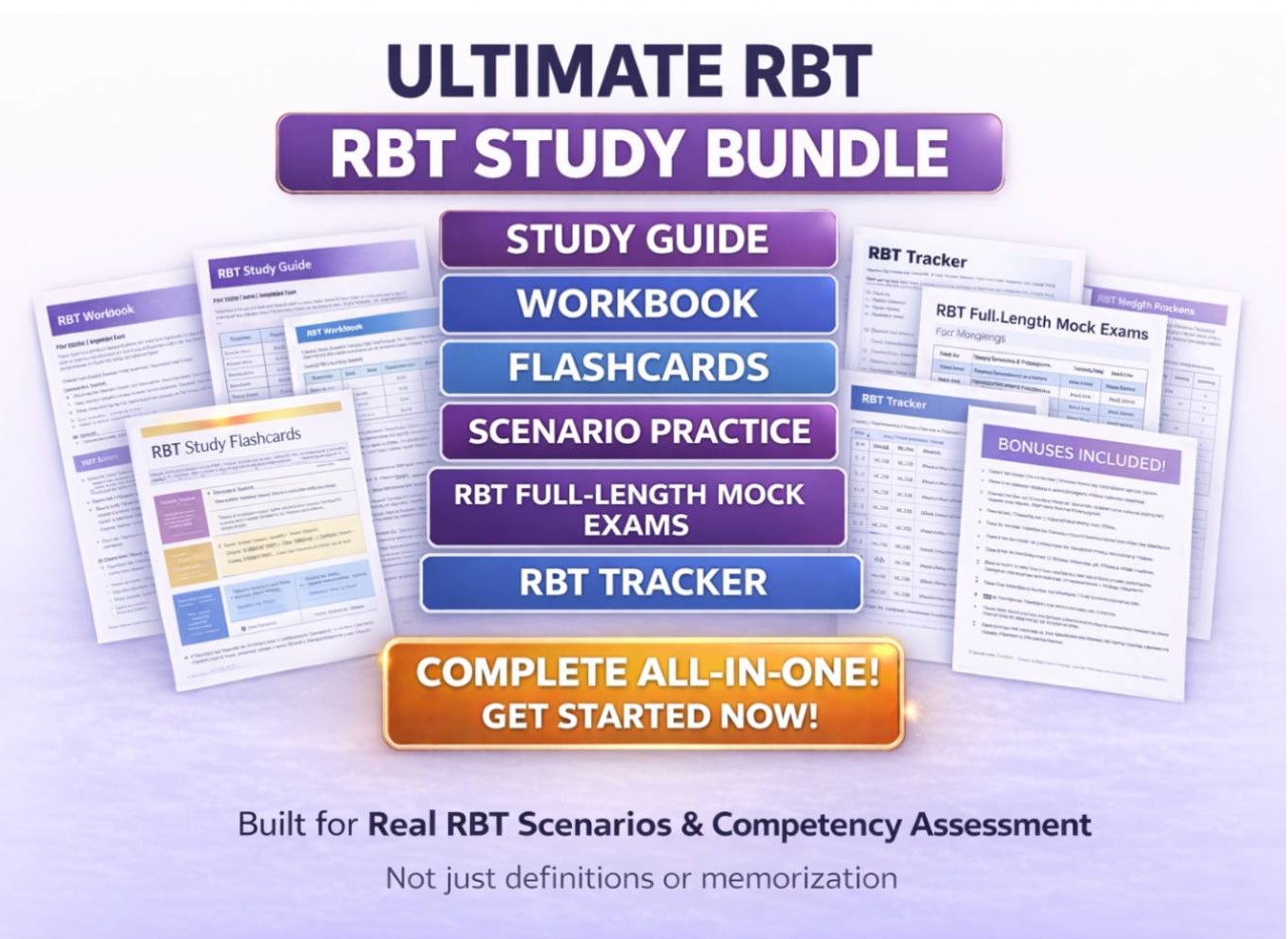
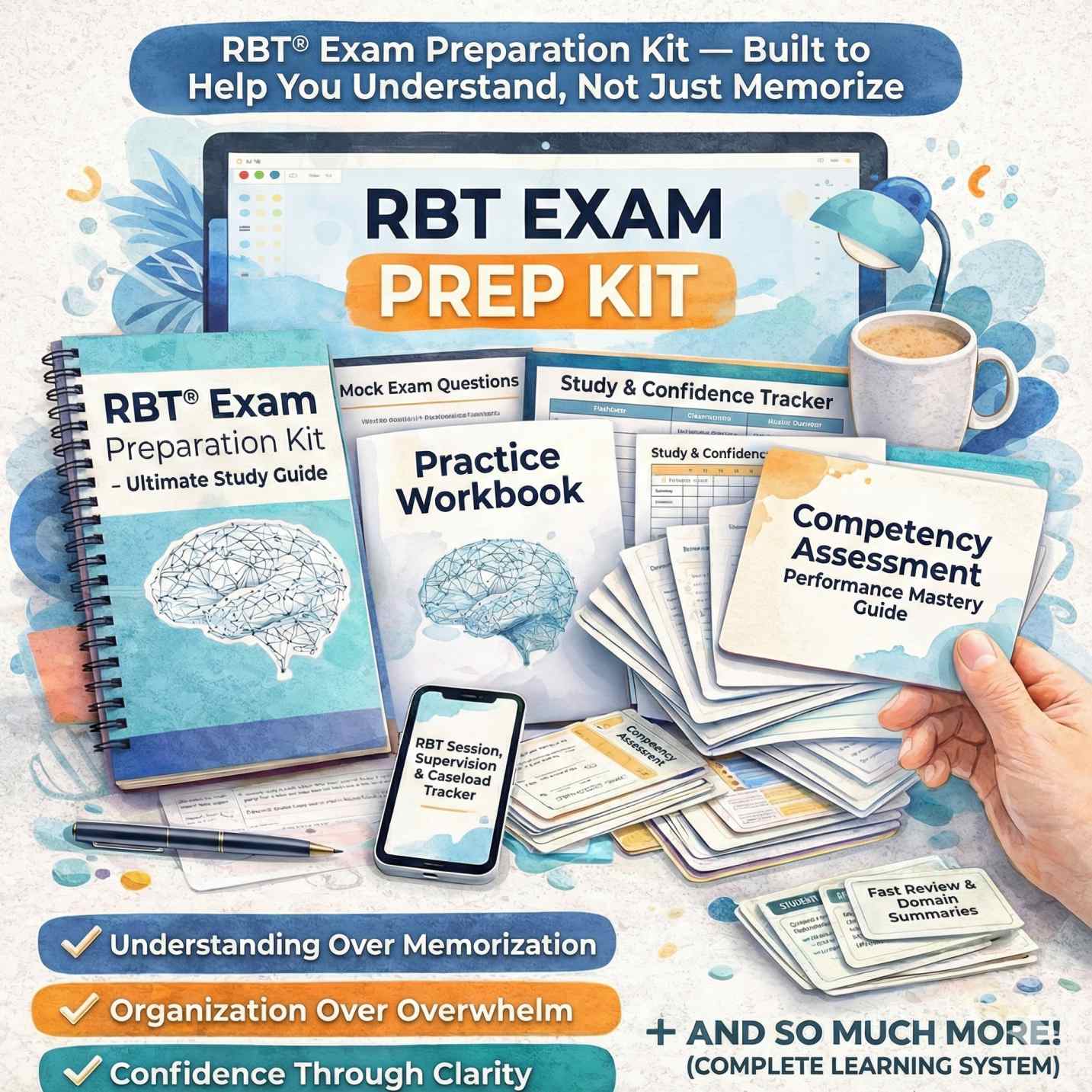
Everything You Need to Pass Your RBT® Exam
Study with our complete, all-in-one preparation package covering every task on the BACB Task List 3.0:
- 1,000+ Practice Questions & Timed Simulator
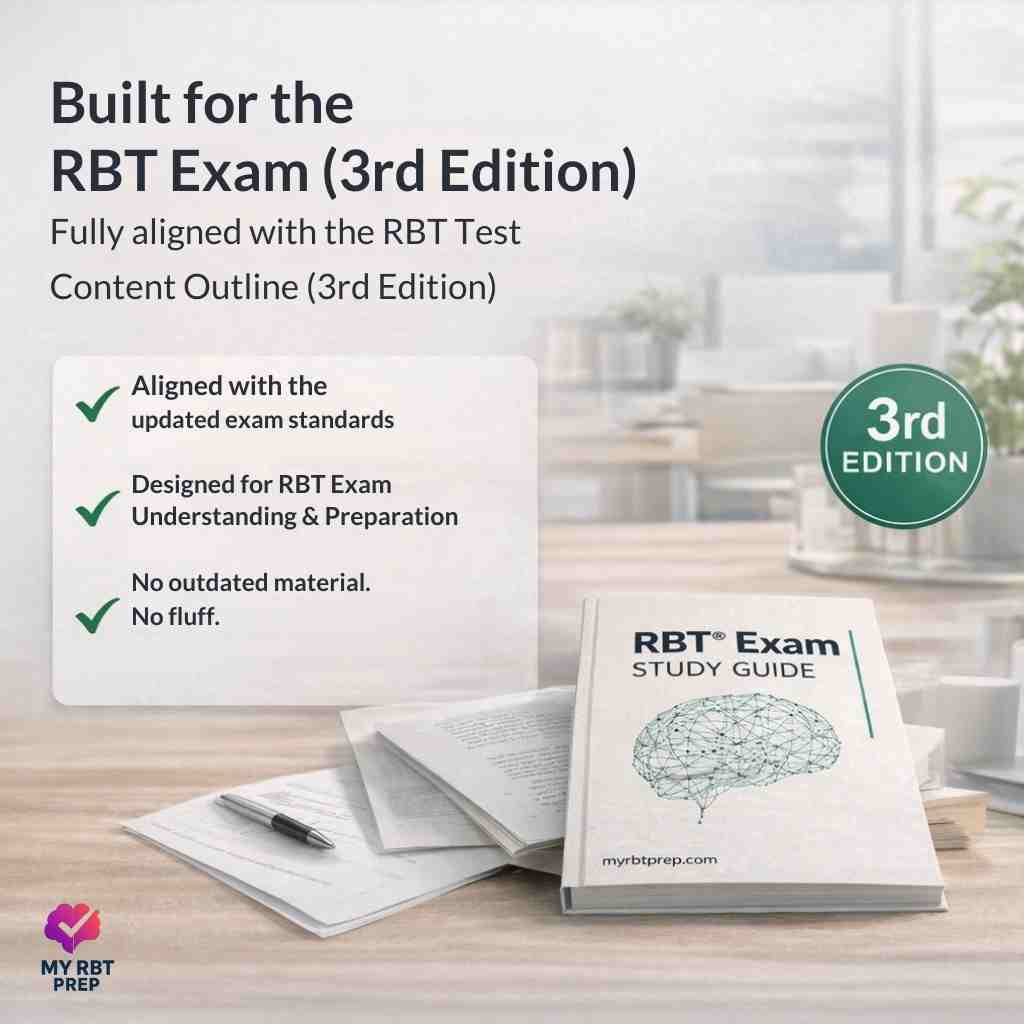
- 3rd Edition Task List Study Guide & Workbook
- Active Recall Flashcards System + Mobile App
- 20-Task Competency Assessment Mastery Guide