Becoming a Registered Behavior Technician (RBT) is a rewarding path for individuals passionate about applying the principles of Applied Behavior Analysis (ABA) to support clients. However, navigating the certification process involves several financial commitments, extending beyond just the examination fee itself. Prospective RBTs must understand the full spectrum of costs, from initial training and application fees to ongoing maintenance expenses, to budget effectively for their professional journey.
This comprehensive guide breaks down all the necessary and potential costs associated with obtaining and maintaining RBT certification. We will explore the mandatory fees set by the Behavior Analyst Certification Board (BACB) and Pearson VUE, delve into the varying expenses for required training, and uncover the often-overlooked “hidden” costs that can impact a candidate’s overall financial outlay. By understanding these components, aspiring RBTs can make informed decisions and prepare for a successful and financially manageable certification process.
Mandatory Initial Fees: The Foundation of Your RBT Journey
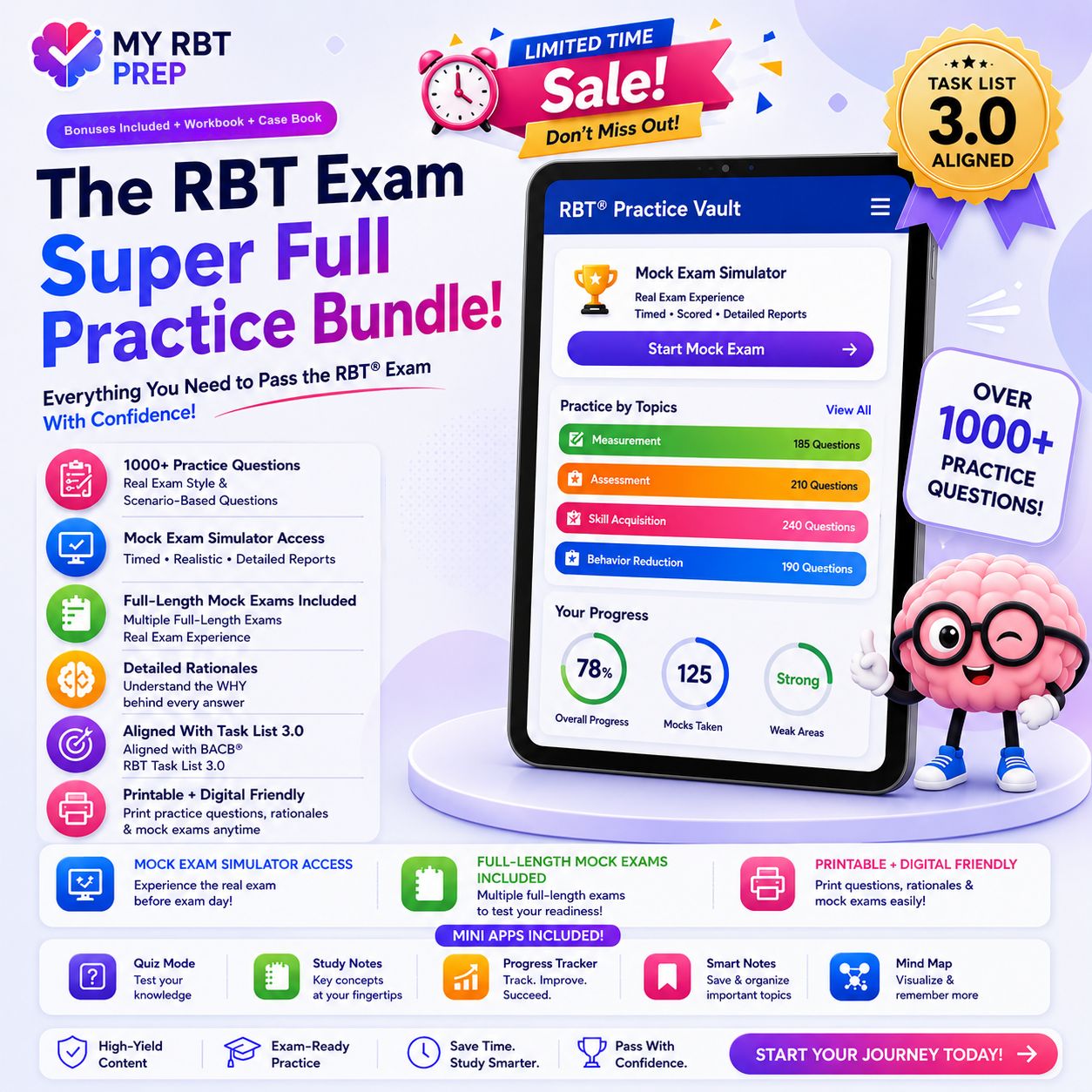
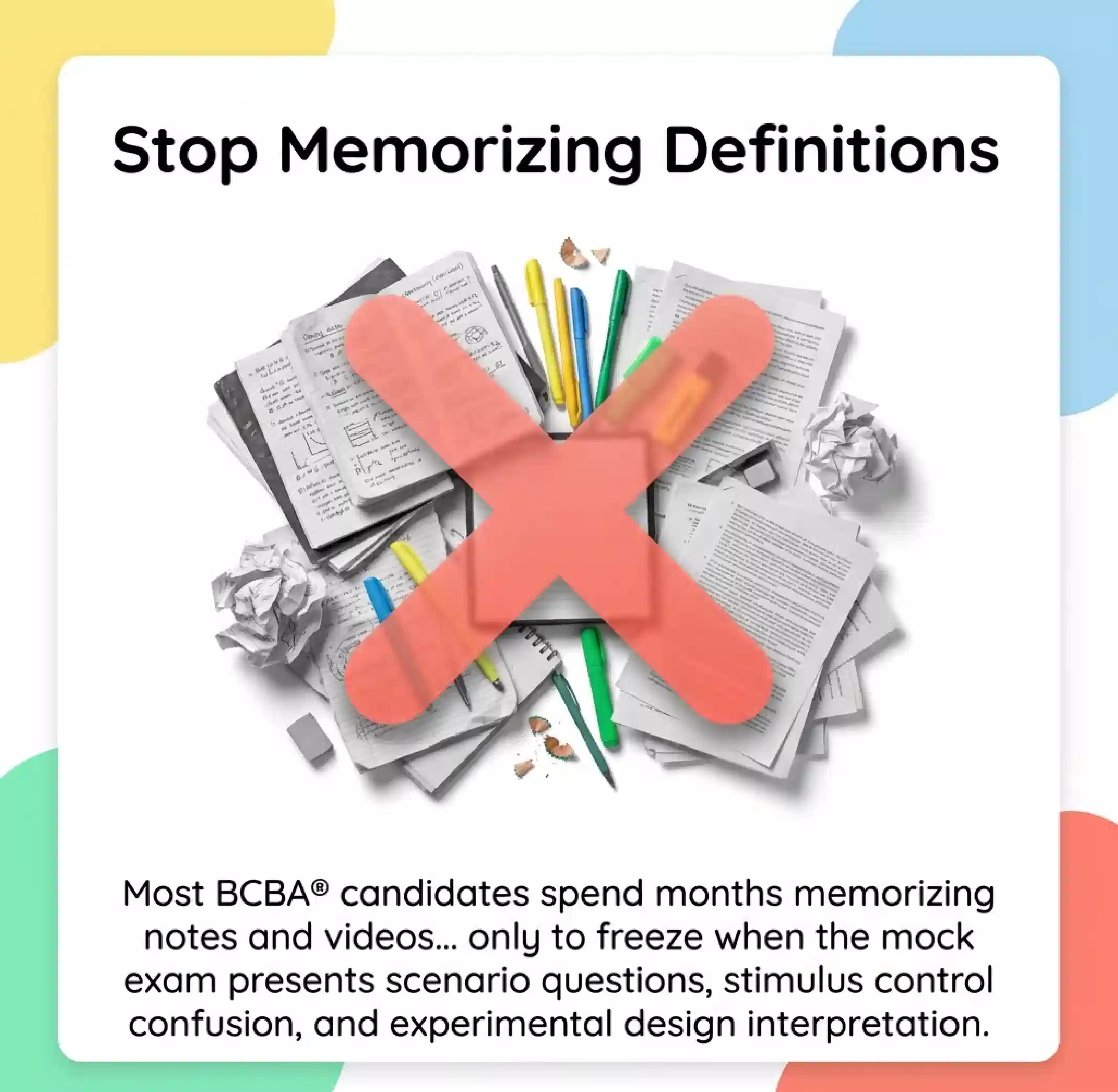
Pass Your RBT® Exam on the First Attempt
Practice with 1,000+ realistic scenario questions, multiple full-length timed mock exams, and detailed rationales formatted exactly like the real Pearson VUE test.
The initial phase of RBT certification involves several non-negotiable fees that every candidate must account for. These cover the foundational training, the administrative processing of your application, and the actual sitting for the certification examination. Understanding each of these components is crucial for accurate financial planning.
The Cost of Required 40-Hour Training
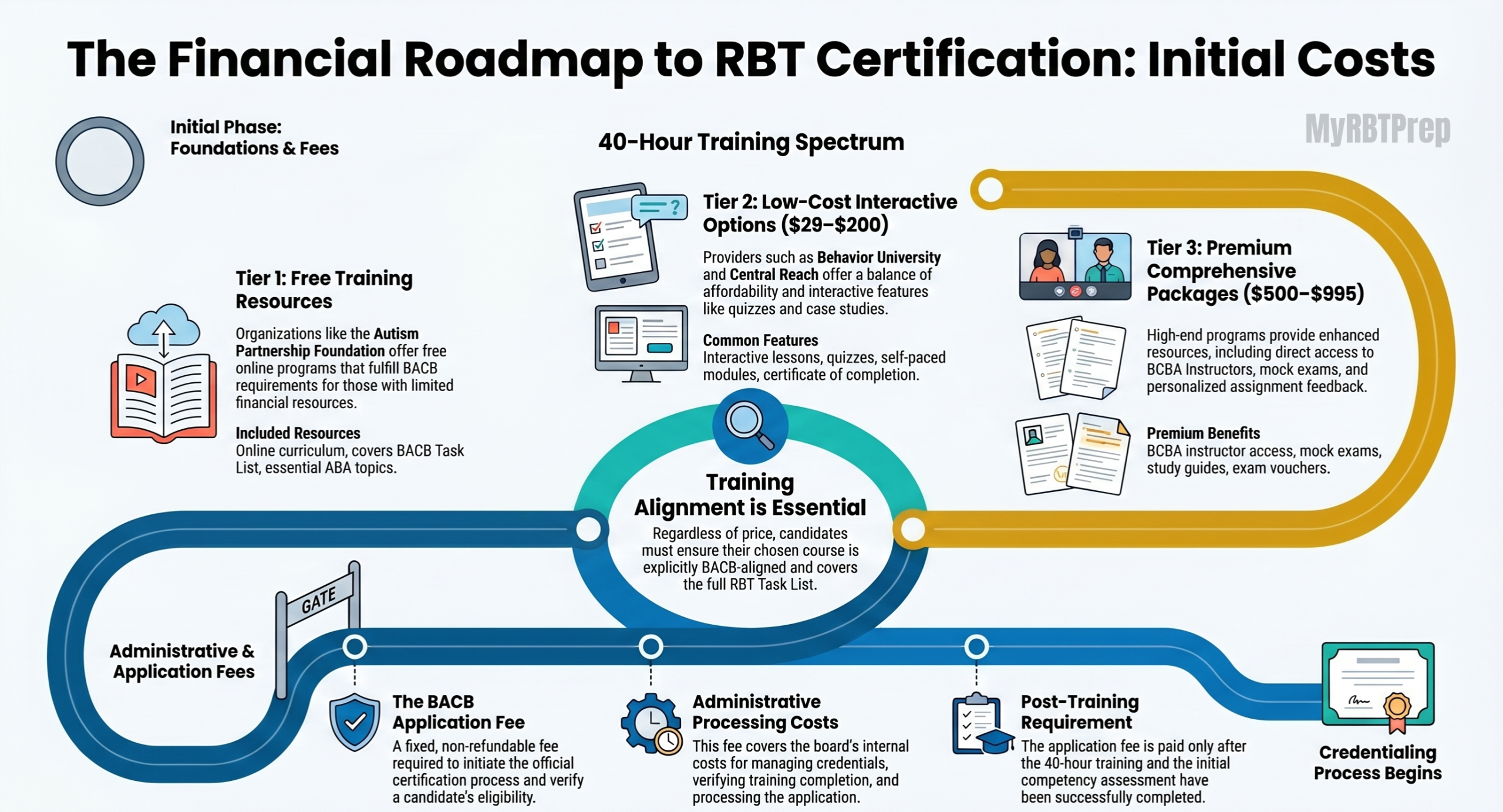
Before applying for RBT certification, candidates are mandated to complete a 40-hour training course developed in line with the BACB’s RBT Task List. The cost of this crucial training varies significantly, offering a wide spectrum of options from entirely free resources to comprehensive, premium packages. This variability allows candidates to choose a program that aligns with both their budget and learning preferences.
At the most accessible end of the spectrum, some organizations provide free 40-hour RBT training courses. A prominent example is the Autism Partnership Foundation, which offers a completely free online program that fulfills the BACB’s requirements. These free options are invaluable for individuals with limited financial resources, providing a solid foundation in essential ABA topics, data collection, and ethical conduct without incurring direct costs.
For those seeking more structured or interactive online experiences, a range of low-cost options is available, typically priced between $29 and $200. These courses often feature interactive lessons, quizzes, case studies, and a certificate of completion upon successful fulfillment of the 40-hour requirement. Providers like Behavior University, Verbal Behavior Institute, Central Reach, and various online academies fall within this price range, offering a balance between affordability and comprehensive content delivery. These programs are often self-paced, allowing for flexibility in completing the coursework.
On the higher end, some comprehensive training programs can cost upwards of $500, with some reaching as high as $995. These premium packages often include additional benefits designed to enhance the learning experience and improve exam readiness. Such benefits might encompass direct access to BCBA instructors, personalized feedback on assignments, mock exams, extensive study guides, and sometimes even a voucher for the RBT certification exam itself. These programs aim to provide a more in-depth and supported learning environment, although they represent a significantly larger upfront investment.
When evaluating training options, it is essential to consider not just the price but also the content, the provider’s reputation, and whether the course is explicitly BACB-aligned. While free or low-cost options can meet the fundamental 40-hour requirement, more expensive programs might offer enhanced resources that some candidates find beneficial for their learning style and confidence. The choice of training significantly influences the overall initial cost of becoming an RBT.
Behavior Analyst Certification Board (BACB) Application Fee
Once the 40-hour training and competency assessment are successfully completed, the next mandatory step is to submit an application to the Behavior Analyst Certification Board (BACB). This application initiates the official process of seeking RBT certification and comes with a fixed, non-refundable fee. This fee covers the administrative costs associated with processing your application, verifying your eligibility, and managing your credential.

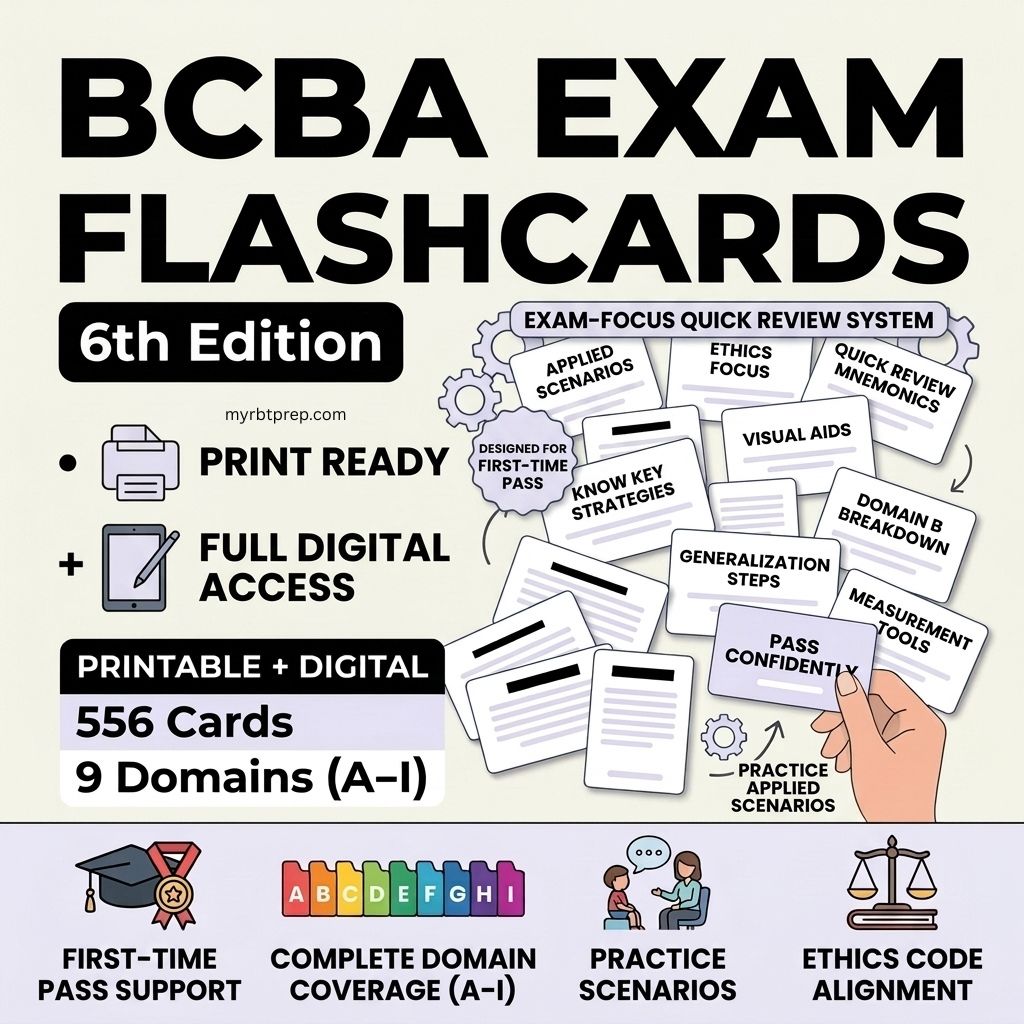
RBT® Exam Flashcards & Study App (3rd Edition)
Master essential ABA terminology and clinical discrimination across all 6 BACB task list areas with 500+ printable and digital flashcards, real exam cues, and full mobile app access.
Mandatory Ancillary Costs: Essential Pre-Certification Expenses
Beyond the direct training and application fees, there are other essential costs that candidates must often incur as part of the RBT certification process. These ancillary expenses, while not always directly paid to the BACB or Pearson VUE, are nonetheless mandatory for many candidates and vary depending on jurisdictional requirements and individual circumstances.
Background Checks and Fingerprinting
A critical component of ensuring professional and ethical standards within the behavioral health field is the requirement for background checks and, in some cases, fingerprinting. These security measures are often mandated by regulatory bodies or employers before an individual can work with vulnerable populations. While not directly a BACB fee, the cost associated with these checks is a practical necessity for nearly all aspiring RBTs.
Potential Additional Costs: Preparing for and Retaking the Exam
While the core fees are largely predictable, several additional expenses can arise during the RBT certification journey. These include optional study materials that can enhance preparation and, critically, retake fees if a candidate does not pass the examination on their first attempt. These costs, while not always mandatory, significantly impact the total financial commitment.
Study Materials and Preparation Resources
Investing in supplementary study materials and preparation resources can significantly enhance a candidate’s readiness for the RBT examination, though these are largely optional expenses. Candidates can start with our comprehensive Free RBT Practice Test to baseline their skills, or invest in structured study tools like the RBT Exam Study Bundle to access realistic full-length mock exams and detailed rationales covering all Task List 3.0 domains.
RBT Examination Retake Fees
Failing the RBT certification examination on the first attempt is a possibility that candidates must financially prepare for, as each subsequent attempt incurs an additional fee. While thorough preparation aims to prevent this, life circumstances and test anxiety can sometimes lead to unexpected outcomes. Understanding the cost of retaking the exam is crucial for comprehensive budgeting.
If a candidate does not pass the RBT examination, they are typically required to wait for a certain period before they can reapply to take the test. Each retake attempt will necessitate paying the examination fee again. While some sources mention retake fees as high as $90, the most consistent and current information indicates the retake fee for the RBT exam is $35 per attempt. This fee is paid to Pearson VUE, similar to the initial examination appointment.
The financial impact of multiple retakes can quickly accumulate. For instance, if a candidate needs two additional attempts, they would incur an extra $70 ($35 x 2) on top of their initial examination fee. This emphasizes the importance of robust preparation to pass the exam on the first try, thereby avoiding these additional, potentially unexpected, expenses. Factoring in at least one potential retake fee into the initial budget is a prudent approach for aspiring RBTs.
Travel and Accommodation for the Exam
While the RBT examination is a computer-based test, it must be taken at an authorized Pearson VUE testing center. Depending on a candidate’s geographical location, accessing these centers can introduce “hidden” costs related to travel and, in some cases, accommodation. These expenses are highly variable and location-dependent, but they are a practical consideration for many.
For individuals residing in rural areas or regions with limited testing center availability, traveling to the nearest Pearson VUE site might involve significant distances. This could lead to expenses such as fuel costs, public transportation fares, or even the need for a rental car. These transportation costs, while seemingly minor, can add up, especially if multiple trips are required for practice runs or retakes.
In situations where the nearest testing center is several hours away, candidates might also need to consider the cost of overnight accommodation. Staying in a hotel or other lodging the night before the exam can help reduce stress and ensure a candidate is well-rested and punctual for their appointment. Such accommodation costs can easily range from $100 to $200 or more per night, representing a substantial, albeit indirect, expense. Parking fees at the testing center or nearby establishments are another small but recurring cost. While these travel-related expenses are not directly part of the certification process fees, they are an undeniable part of the financial commitment for many candidates.
Initial Investment Summary: Calculating Your Total Upfront Costs
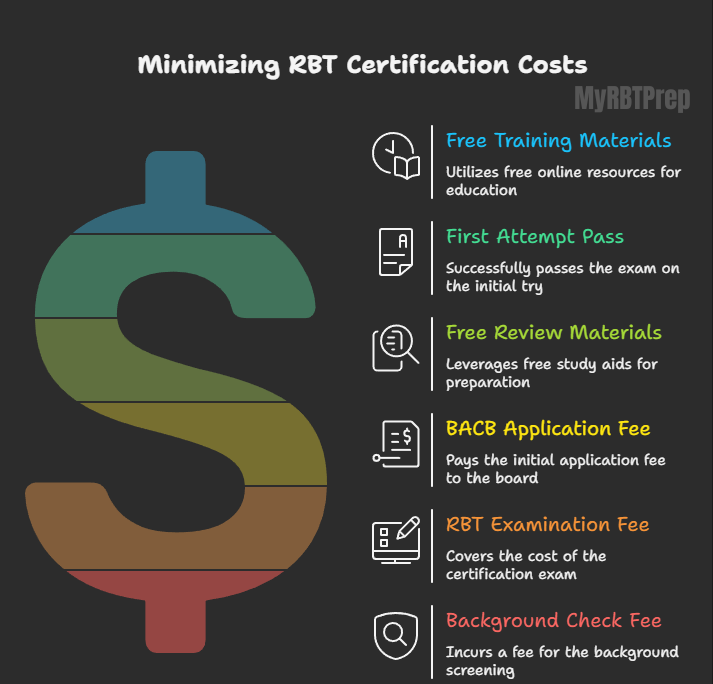
In order to help provide a clear financial road map for the Resource Based Training (RBT) certification process, the following summary of initial costs that may be faced by an aspiring RBT is being provided. The upfront cost to become an RBT can vary wildly based on the choices that are made by the individual regarding training and the number of attempts they take to complete the RBT examination.
Minimum Initial Investment Scenario
A candidate who is working within a minimal budget may have access to a very low initial upfront cost when attempting to obtain RBT status. The scenario provided assumes that the candidate uses free training materials, passes their RBT examination on the first attempt, and has access to free review materials or has been through educational programs that are free.
In this absolutely cost saving scenario, the only costs incurred will be that of the required fees associated with the RBT certification process. These fees include a $50 BACB application fee and a $45 RBT examination appointment fee. A background check may also incur an approximate cost of around $50. If a candidate were to use a free 40 hour training (“Introduction to Applied Behavior Analysis”, as provided by Autism Partnership Foundation, www.autismpartnershipfoundation.org) to become RBT certified and did not use any paid supplemental study materials or retake their RBT exam, the total cost for certification would be approximately $145. This total amount represents the lowest possible cost for obtaining RBT status.
Maximum Initial Investment Scenario
On the other hand, an RBT candidate who selects premium training services and runs into some of the common obstacles encountered by candidates will incur a significantly more intensive upfront investment cost.
Conclusion: A Holistic View of RBT Certification Costs
Embarking on the path to becoming a Registered Behavior Technician is a commitment that requires careful financial planning. As this comprehensive guide illustrates, the costs associated with RBT certification extend far beyond the single RBT examination fee, encompassing a range of mandatory, ancillary, and ongoing expenses. From the initial 40-hour training, which can range from free to nearly $1000, to the mandatory BACB application fee ($50) and examination fee ($45), candidates must meticulously budget for each stage.
Hidden costs, such as background checks (around $50), optional study materials ($0-$200+), and potential retake fees ($35 per attempt), can significantly impact the total initial investment. Post-certification, RBTs face annual renewal fees ($45-$50), continuing education unit expenses (variable, but potentially hundreds biennially), and ongoing supervision requirements, which are usually employer-covered but can incur costs in specific scenarios. The total initial outlay typically falls between $200 and $800, though it can be as low as $145 with free training or exceed $1300 with premium options and retakes.
Understanding these varied financial components is not merely about tallying numbers; it’s about empowering aspiring RBTs to make informed decisions. By exploring employer sponsorships, grants, and “earn while you learn” programs, candidates can significantly reduce their personal financial burden. Ultimately, a thorough grasp of the full financial picture ensures that the journey to becoming a certified RBT is both achievable and sustainable, allowing professionals to focus on their valuable work in Applied Behavior Analysis.
Faqs
How much does the RBT exam cost?
The RBT exam costs $45, but additional expenses like training, background checks, and competency assessments can bring the total to $100–$400.
How much to pass the RBT exam?
There is no fixed passing score, but candidates typically need around 80% to pass the RBT exam.
What percent of people pass the RBT exam first try?
About 70–80% of candidates pass the RBT exam on their first attempt, depending on preparation and training quality.
What is the highest salary for a RBT?
The highest-paid RBTs can earn up to $50,000–$60,000 per year, especially with experience and in high-demand areas.
What is the hardest part of the RBT exam?
Many candidates find data collection, behavior reduction strategies, and ABA terminology the most challenging sections.
Top of Form
Bottom of Form

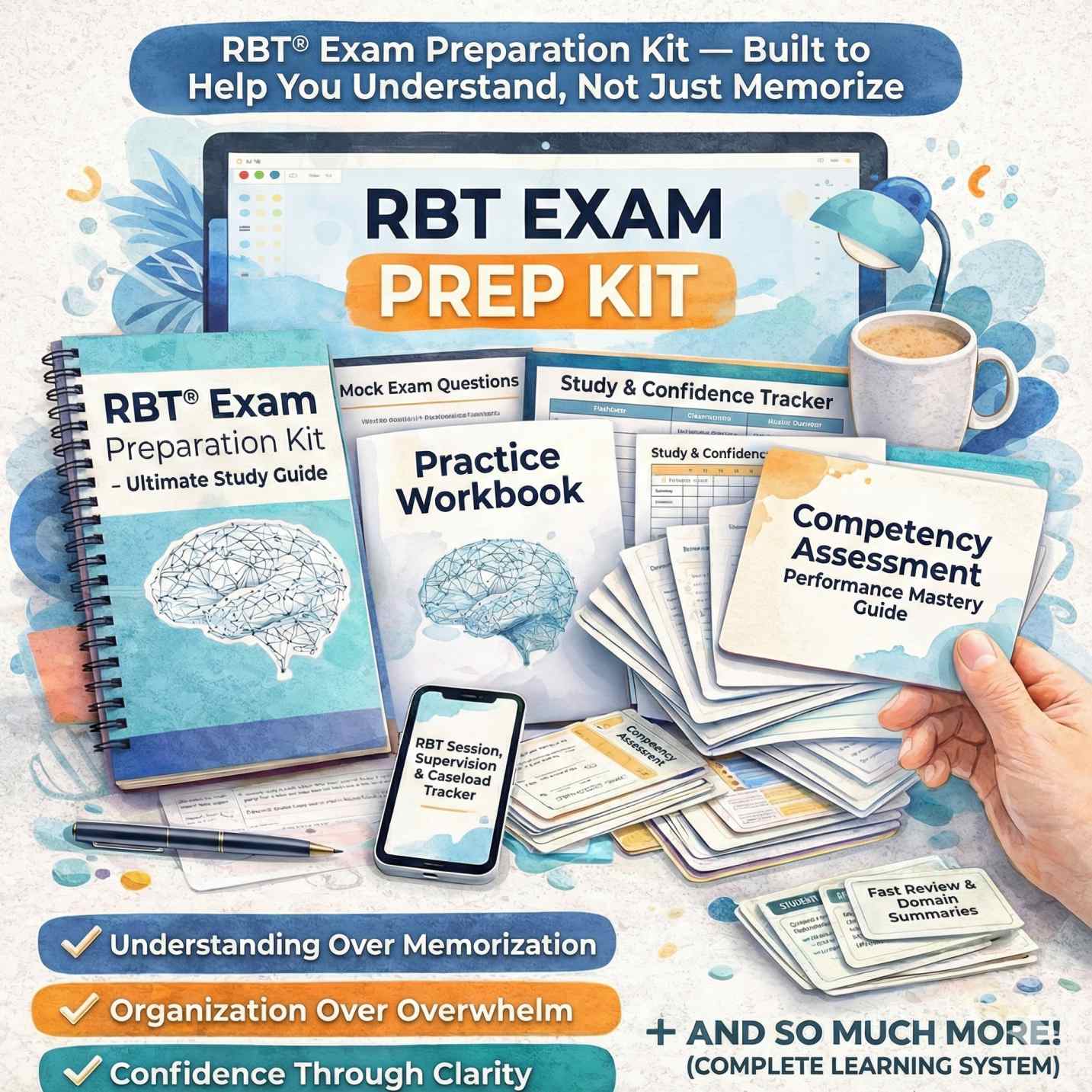
Everything You Need to Pass Your RBT® Exam
Study with our complete, all-in-one preparation package covering every task on the BACB Task List 3.0:
- 1,000+ Practice Questions & Timed Simulator
- 3rd Edition Task List Study Guide & Workbook
- Active Recall Flashcards System + Mobile App
- 20-Task Competency Assessment Mastery Guide