Working as a Registered Behavior Technician (RBT) in a school environment offers unique opportunities for those interested in Applied Behavior Analysis (ABA) therapy. School-based RBT roles allow technicians to directly support students with developmental disabilities, helping them develop social and communication skills, manage behaviors, and achieve academic goals. These positions provide a structured work environment, predictable schedules, and benefits packages that can be appealing for individuals seeking stability alongside hands-on behavioral therapy.
While school-based RBT roles may not always offer the highest RBT hourly wage, they provide valuable experience in direct support professional (DSP) roles, data collection in ABA sessions, and collaborating with multidisciplinary teams. Many RBTs begin their careers in these positions, gaining experience that can lead to career progression for RBTs into supervisory or advanced roles, including specialized ABA services or administrative positions within school systems.
| Experience Level | Hourly Wage | Annual Salary |
| Entry-Level | $15–$20 | $40,000–$42,500 |
| Mid-Career | $20–$25 | $45,000–$50,000 |
| Senior | $22–$28 | $50,000–$55,000 |
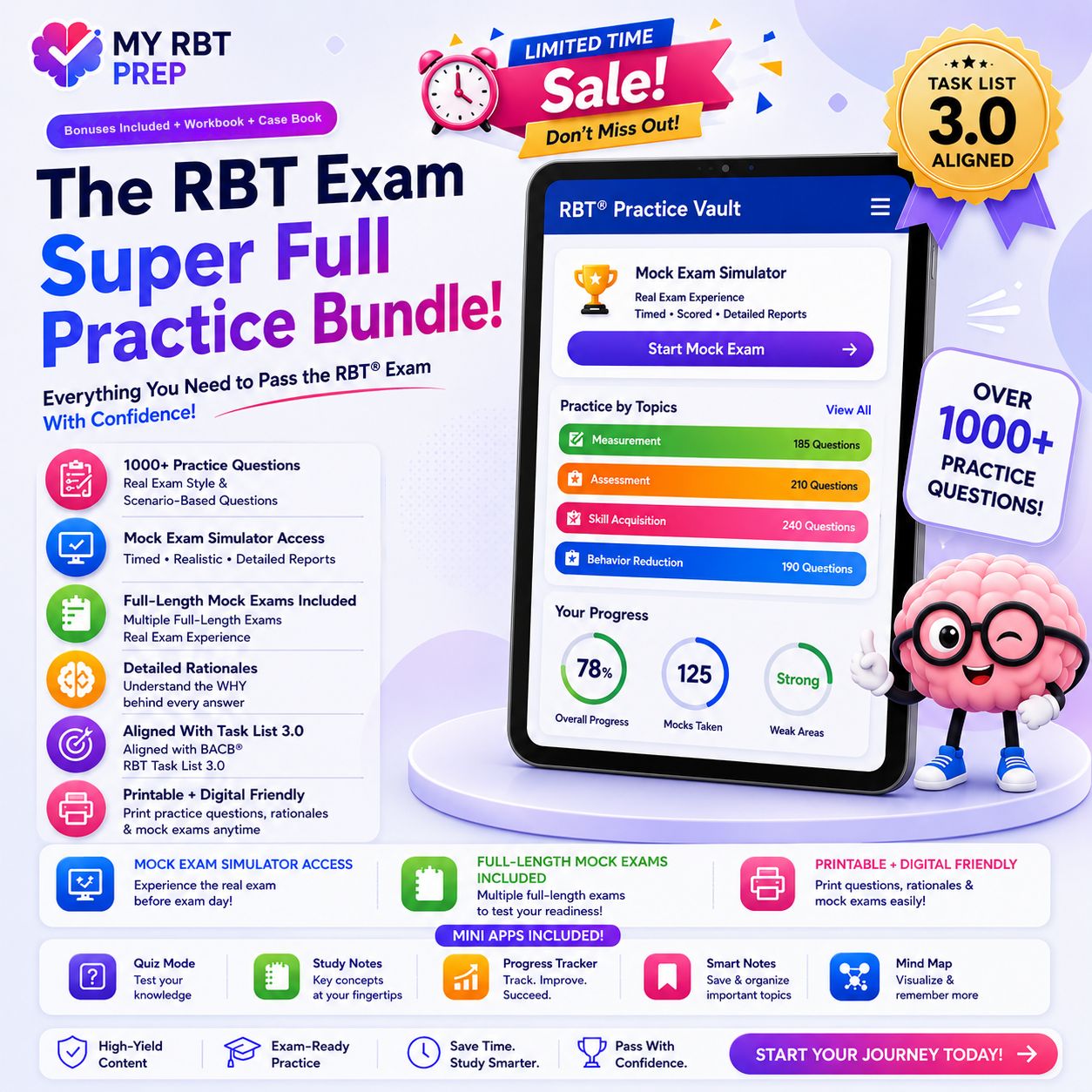
Pass Your RBT® Exam on the First Attempt
Practice with 1,000+ realistic scenario questions, multiple full-length timed mock exams, and detailed rationales formatted exactly like the real Pearson VUE test.
Salary Overview for School-Based RBT Jobs
School district RBT roles typically offer annual salaries ranging from $40,000 to $52,000, depending on location, years of experience, and educational background. Entry-level RBTs often earn between $15 and $20 per hour, while mid-career RBTs can see wages rise to $22–$25 per hour. Senior RBTs with extensive experience or additional certifications may earn more, particularly in states with higher costs of living.
| Experience Level | Hourly Rate | Annual Salary |
| Entry-Level RBT | $15–$20 | $40,000–$42,500 |
| Mid-Career RBT | $20–$25 | $45,000–$50,000 |
| Senior RBT | $22–$28 | $50,000–$55,000 |
Salaries are influenced by employer type and salary scales, with school districts offering structured pay grids and benefits, while some private school positions may provide slightly higher wages or bonuses for bilingual RBTs or those serving specialty populations.
Work Environment in Schools
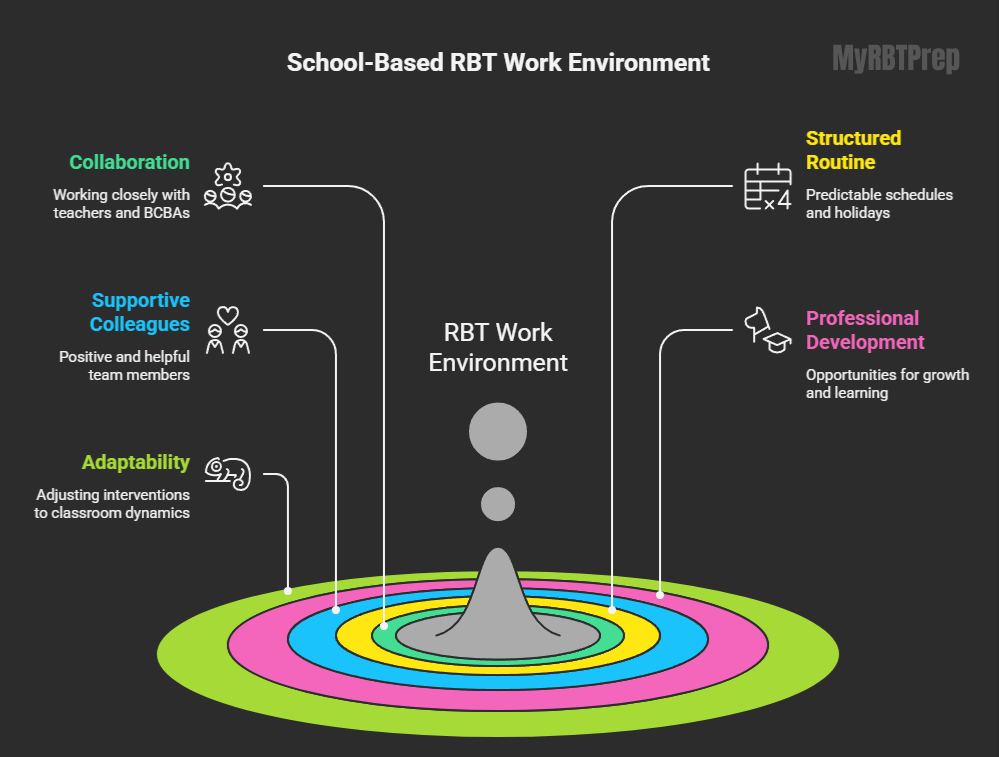
School-based RBTs work closely with students, teachers, and Board Certified Behavior Analysts (BCBAs) or Board Certified Assistant Behavior Analysts (BCaBAs). Daily tasks include implementing evidence-based behavior interventions, conducting client progress tracking, and collecting data in ABA sessions to monitor student outcomes.
The environment is often predictable, with set schedules aligned to school hours, holidays, and breaks. RBTs benefit from structured routines, supportive colleagues, and professional development opportunities offered by school districts. While travel is minimal compared to clinic or home-based roles, RBTs must adapt interventions to classroom dynamics and individual student needs, which requires patience, flexibility, and strong social and communication skill development.

RBT® Exam Flashcards & Study App (3rd Edition)
Master essential ABA terminology and clinical discrimination across all 6 BACB task list areas with 500+ printable and digital flashcards, real exam cues, and full mobile app access.
Requirements for School-Based RBT Positions
To work as an RBT in a school, candidates must complete RBT certification, including 40 hours of training, practical supervision hours, and passing the RBT credentialing exam. Schools often require additional background checks, compliance with state education regulations, and sometimes prior experience in educational settings.
Key qualifications include: understanding hands-on behavioral therapy, proficiency in evidence-based behavior interventions, and the ability to conduct accurate data collection in ABA sessions. Specialized skills in verbal behavior or feeding therapy may be advantageous, particularly for students with complex behavioral or developmental needs.
| Requirement | Details |
| RBT Certification | Complete 40 hours of training, practical supervision hours, and pass the RBT credentialing exam. |
| Background Checks & Compliance | Schools may require criminal background checks and adherence to state education regulations. |
| Prior Experience | Experience in educational settings may be preferred but not always required. |
| Core Skills | Hands-on behavioral therapy, proficiency in evidence-based behavior interventions, and accurate data collection in ABA sessions. |
| Specialized Skills (Optional) | Training in verbal behavior, feeding therapy, or working with students with complex behavioral/developmental needs. |
Benefits and Job Perks
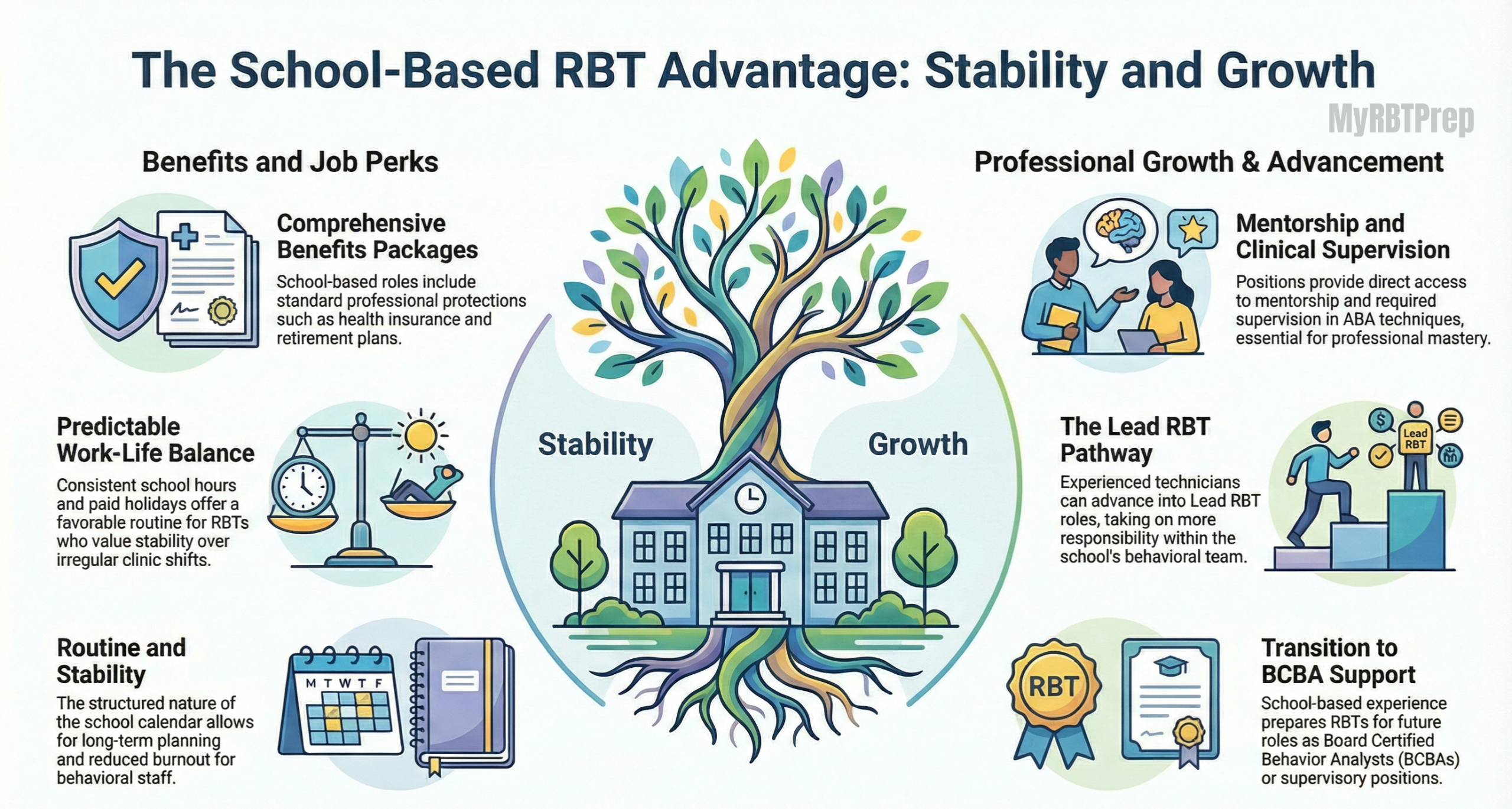
School-based RBT roles provide structured benefits packages, including health insurance, retirement plans, and paid holidays. The predictable hours allow for a favorable work-life balance, especially for RBTs who value routine and stability.
Additionally, school-based positions often provide access to mentorship, supervision in ABA techniques, and opportunities for career advancement into lead RBT, supervisory, or Board Certified Behavior Analyst (BCBA) support roles. These positions are ideal for RBTs seeking professional growth while maintaining a consistent schedule.
Comparison to Other RBT Work Settings
Compared to clinic-based RBT positions, school-based roles usually have lower hourly wages but offer more stability and structured hours. Home-based RBT therapy may provide higher pay per hour and flexible scheduling but requires travel and more individualized attention. Telehealth RBT jobs offer remote work with competitive wages but may limit hands-on interaction with clients.
| Setting | Pay | Work Schedule | Pros | Cons |
| School District RBT | Moderate | Fixed hours | Benefits, stability, structured routine | Lower hourly wage |
| Clinic-Based RBT | Higher | Flexible hours | Bonuses, diverse caseload | Travel and variable schedule |
| Home-Based RBT | Higher | Flexible hours | Personalized therapy, travel reimbursement | Requires travel |
| Telehealth RBT | Moderate-High | Flexible, remote | Work from home, flexible schedule | Limited hands-on therapy |
Tips for Advancing in School-Based RBT Careers
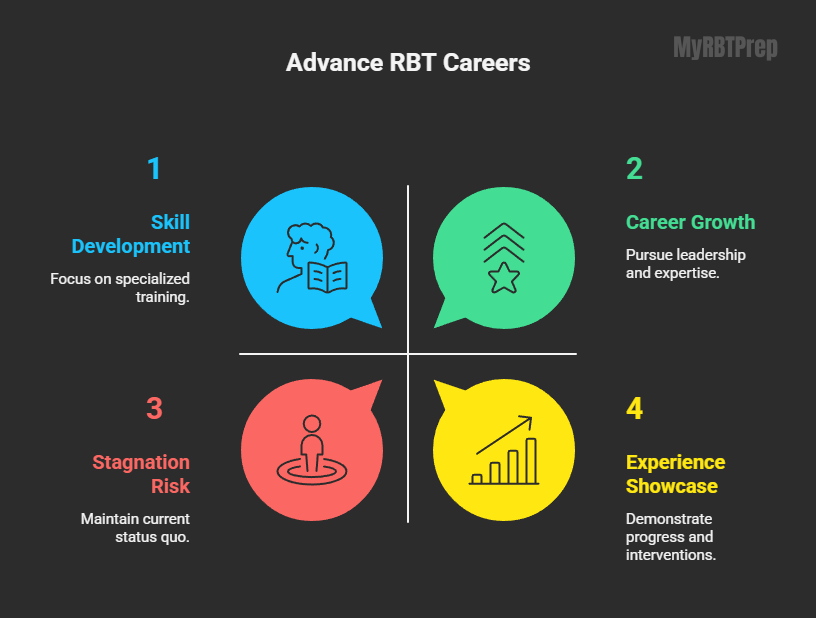
RBTs in schools can increase earnings and opportunities through professional development, obtaining advanced certifications in ABA, and pursuing specialized training such as verbal behavior or feeding therapy. Mentorship and supervised practical hours under BCBAs improve expertise and may lead to promotions or supervisory roles.
Highlighting experience with evidence-based behavior interventions and strong client progress tracking can justify higher pay when negotiating raises or applying for higher positions. School-based RBTs who pursue additional credentials often see improved RBT hourly wage, career satisfaction, and long-term growth potential.
Daily Responsibilities of a School-Based RBT
School-based RBTs work directly with students under the supervision of a Board Certified Behavior Analyst (BCBA) or Board Certified Assistant Behavior Analyst (BCaBA). Their tasks include implementing evidence-based behavior interventions, conducting client progress tracking, and helping students develop social and communication skills. They also collaborate with teachers, counselors, and support staff to adapt interventions in classroom settings. Understanding daily responsibilities helps aspiring RBTs prepare for hands-on work and ensures students receive consistent, effective ABA therapy.
| Responsibility | Details |
| Supervision | Work under a Board Certified Behavior Analyst (BCBA) or Board Certified Assistant Behavior Analyst (BCaBA). |
| Behavior Interventions | Implement evidence-based behavior interventions tailored to individual student needs. |
| Progress Tracking | Conduct client progress tracking through accurate data collection in ABA sessions. |
| Skill Development | Support students in developing social and communication skills. |
| Collaboration | Work with teachers, counselors, and support staff to adapt interventions in classroom settings. |
| Hands-On ABA Work | Ensure students receive consistent, effective ABA therapy through direct support. |
Salary Expectations for School-Based RBT Roles
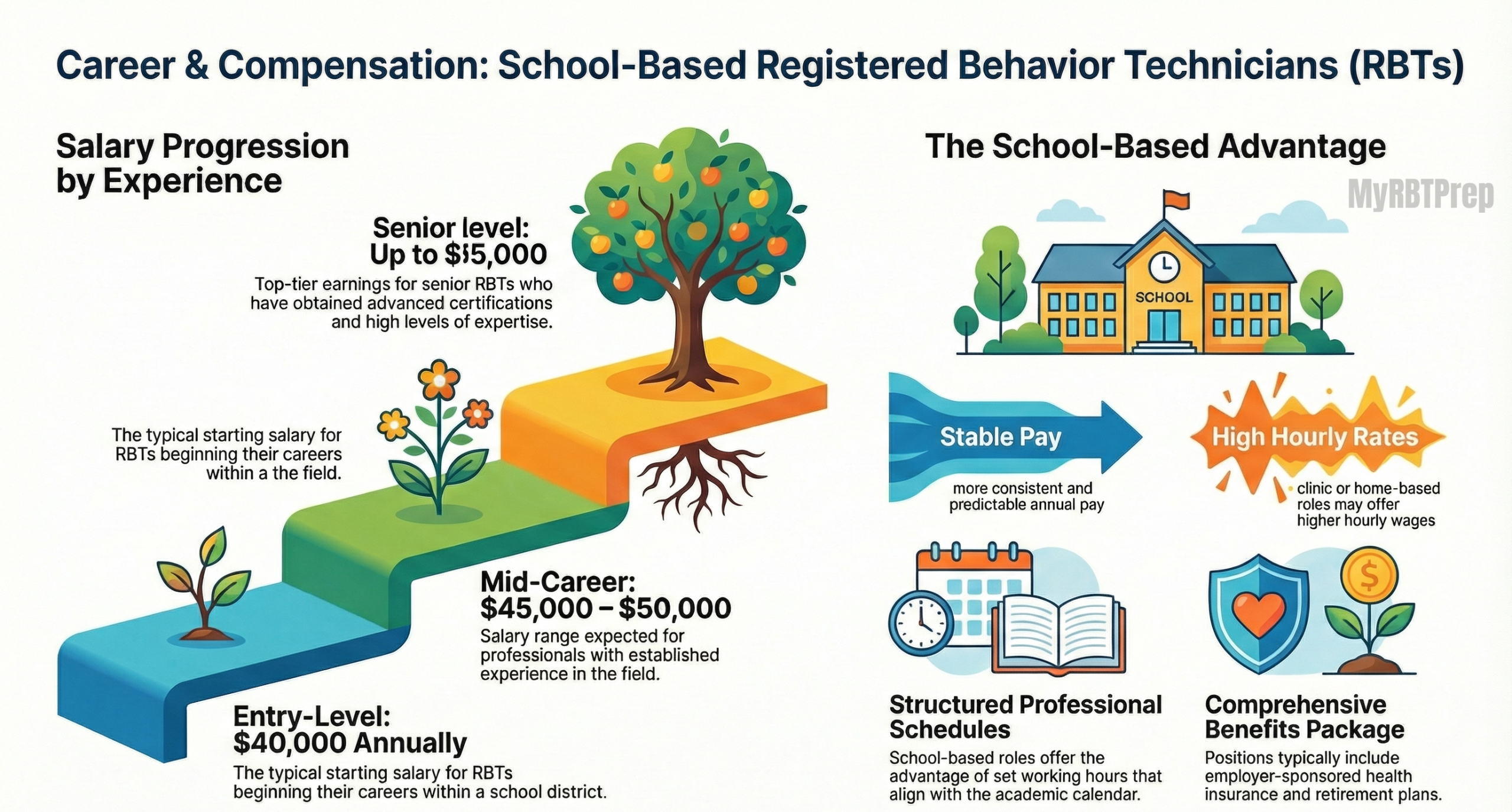
Salaries for school-based RBTs vary depending on experience, location, and district funding. Entry-level RBTs typically earn around $40,000 annually, while mid-career professionals can earn $45,000–$50,000. Senior RBTs with advanced certifications may earn up to $55,000. While school RBT roles often offer slightly lower RBT hourly wage than clinic or home-based positions, they provide stable pay, structured schedules, and benefits such as health insurance and retirement plans.
Work Environment and Schedule
School-based RBTs benefit from structured work hours that follow school calendars, providing predictability and stability. They work in classrooms, resource rooms, or specialized intervention settings. The environment allows for hands-on behavioral therapy while collaborating with teachers and therapists. Unlike clinic or home-based roles, travel is minimal, but RBTs must adapt strategies to classroom dynamics and group settings. This structured environment promotes work-life balance while maintaining high-quality ABA services.
| Aspect | Details |
| Work Hours | Structured hours following school calendars, providing predictability and stability. |
| Work Locations | Classrooms, resource rooms, or specialized intervention settings. |
| Job Focus | Hands-on behavioral therapy while collaborating with teachers and therapists. |
| Travel Requirements | Minimal travel compared to clinic or home-based RBT roles. |
| Adaptability | Must adjust strategies to classroom dynamics and group settings. |
| Work-Life Balance | Structured environment promotes balance while maintaining high-quality ABA services. |
Requirements and Professional Development Opportunities
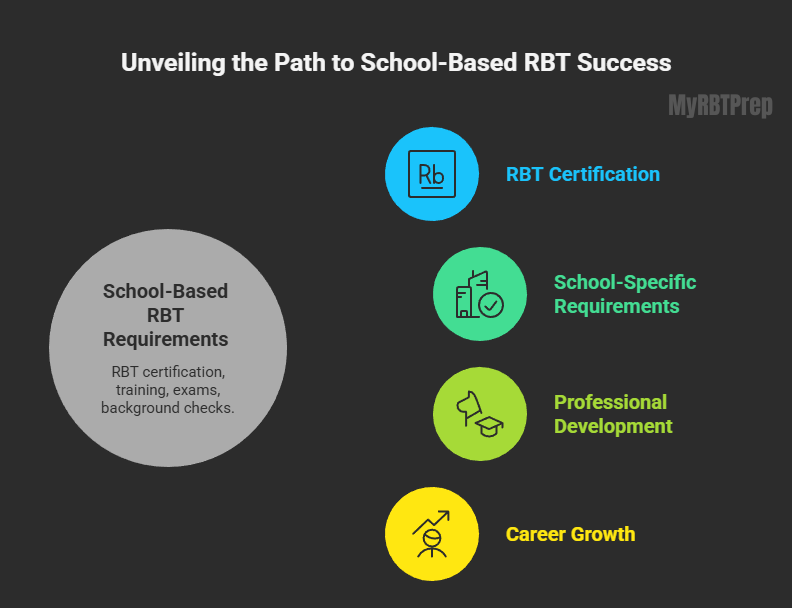
The requirements to be a School-Based RBT include completion of RBT Certification, which includes 40 hours of training, Supervised practical training hours, passing the RBT Credentialing exam. The School may have requirements for background checks and knowledge of Education Codes. Professional Development Options available for RBTs to become leaders and/or progress into an administrative position and increase their salary and career growth with the completion of advanced certifications or training in ABA (Applied Behavior Analysis) and mentorship programs, as well as specialized training in the area of Verbal Behaviour and Feeding Therapy.
| Category | Details |
| RBT Certification | Complete 40 hours of training, practical supervision hours, and pass the RBT credentialing exam. |
| Background Checks & Regulations | Schools may require criminal background checks and familiarity with educational regulations. |
| Professional Development | Advanced certifications in ABA, mentorship, and specialized training in areas like verbal behavior or feeding therapy. |
| Career Advancement | Opportunities to progress to lead RBT roles or administrative positions within school systems. |
| Salary Impact | Professional development can enhance both RBT hourly wage and long-term career growth. |
FAQs
What is the average salary for a school-based RBT?
Salaries range from $40,000 to $52,000 annually, depending on experience, location, and certifications.
Do school-based RBTs have flexible schedules?
Schedules are generally predictable, following school hours and holidays, providing stability and work-life balance.
What certifications are required for school-based RBT roles?
RBT certification, including 40 hours of training, supervised practical hours, and passing the RBT credentialing exam, is required.
Can school-based RBTs earn more with experience?
Yes, senior RBTs or those with advanced certifications can increase their RBT hourly wage and qualify for supervisory positions.
Are there opportunities for career growth in schools?
Yes, school-based RBTs can advance into lead RBT roles, administrative positions, or pursue BCaBA/BCBA certification for higher pay.

Everything You Need to Pass Your RBT® Exam
Study with our complete, all-in-one preparation package covering every task on the BACB Task List 3.0:
- 1,000+ Practice Questions & Timed Simulator
- 3rd Edition Task List Study Guide & Workbook
- Active Recall Flashcards System + Mobile App
- 20-Task Competency Assessment Mastery Guide