The field of Applied Behavior Analysis (ABA) is experiencing unprecedented growth, with demand for qualified professionals far outpacing supply. For those looking to enter this rewarding career at the frontline, the role of the behavior technician is the primary entry point. However, the path to certification is no longer a single road. Aspiring technicians are now faced with a critical choice between three distinct credentials: the Registered Behavior Technician (RBT®), the International Behavior Therapist (IBT®), and the Applied Behavior Analysis Technician (ABAT®).
Each certification is governed by a different board, carries its own set of requirements, and holds varying weight in different geographic and professional contexts. With significant changes to the RBT credential taking effect in 2026, making an informed decision has never been more important. This article provides a deeply analytical comparison to help you determine which certification aligns with your career goals, location, and professional aspirations for 2026 and beyond.
Pass Your RBT® Exam on the First Attempt
Practice with 1,000+ realistic scenario questions, multiple full-length timed mock exams, and detailed rationales formatted exactly like the real Pearson VUE test.
The Landscape of ABA in 2026: Demand, Growth, and the Role of the Technician
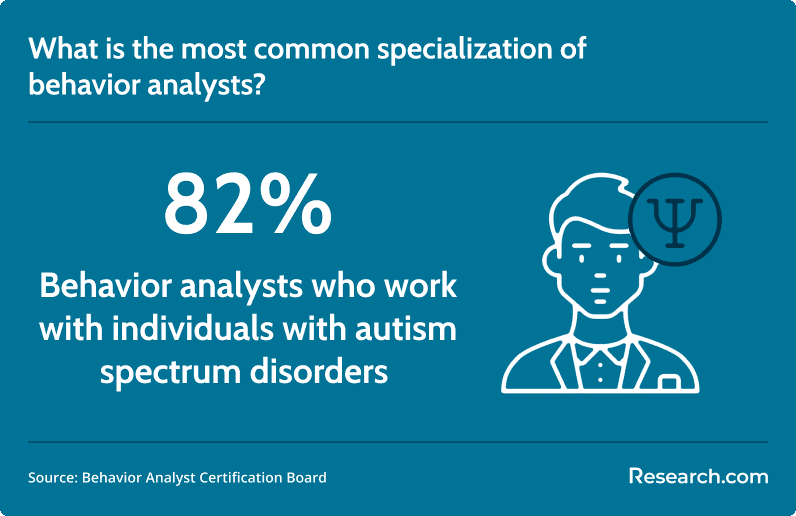
The demand for ABA services is not just growing; it’s accelerating. The U.S. Bureau of Labor Statistics projects an 18% employment growth for behavioral and mental health counselors from 2022 to 2032, a rate significantly faster than the average for all occupations. The U.S. ABA market, valued at $7.97 billion in 2025, is projected to approach nearly $10 billion by 2030. This expansion is fueled by rising autism prevalence, broader insurance coverage, and a greater understanding of ABA’s effectiveness.
At the heart of this service delivery model is the behavior technician. Technicians are the paraprofessionals responsible for the direct, one-on-one implementation of behavior intervention plans designed by certified analysts. They are the individuals collecting data, running skill-building sessions, and providing the consistent, high-fidelity support that is essential for client progress. As the industry grapples with workforce shortages—with over 103,000 BCBA job openings in 2024 for approximately 74,000 certified BCBAs—the role of a well-trained and certified technician workforce has become mission-critical.
The hierarchy of ABA certifications, from entry-level technicians to advanced analysts, reflects a structured career path with increasing responsibility.
Deconstructing the Certifications: Governing Bodies and Philosophies
To understand the differences between RBT, IBT, and ABAT, one must first understand the organizations that govern them. Each board has a unique history and mission that shapes its credentialing process.
- Registered Behavior Technician (RBT®) – Behavior Analyst Certification Board (BACB®): Established in 1998, the BACB is the oldest and most recognized credentialing body for behavior analysis in the United States. Its mission is to protect consumers by establishing and promoting professional standards. The RBT is the BACB’;s paraprofessional credential. Critically, the BACB has shifted its focus to be primarily U.S.-centric, discontinuing eligibility for new applicants in many international locations.
- Applied Behavior Analysis Technician (ABAT®) – Qualified Applied Behavior Analysis Credentialing Board (QABA®): Founded around 2012, the QABA board was established to provide international credentialing options. It is accredited by the American National Standards Institute (ANSI) and has gained significant recognition from international health ministries and insurance networks, positioning the ABAT as a strong choice for professionals outside the U.S.
- International Behavior Therapist (IBT®) – International Behavior Analysis Organization (IBAO®): The newest of the three, the IBAO was founded in 2020 to address the global need for certification standards after the BACB’s international withdrawal. The IBT credential was specifically designed for professionals working in international or multilingual environments, with an emphasis on flexibility and global accessibility.
This divergence in governing bodies is the primary driver of the differences in geographic scope, supervision requirements, and long-term portability of each credential.

RBT® Exam Flashcards & Study App (3rd Edition)
Master essential ABA terminology and clinical discrimination across all 6 BACB task list areas with 500+ printable and digital flashcards, real exam cues, and full mobile app access.
Head-to-Head Comparison: RBT vs. IBT vs. ABAT
Choosing the right certification requires a granular look at the requirements and implications of each. The following sections break down the key differences to guide your decision-making process.
| Feature | RBT (Registered Behavior Technician) | ABAT (Applied Behavior Analysis Technician) | IBT (International Behavior Therapist) |
| Governing Body | Behavior Analyst Certification Board (BACB) | Qualified Applied Behavior Analysis Credentialing Board (QABA) | International Behavior Analysis Organization (IBAO) |
| Geographic Focus | Primarily United States. Phasing out in Australia (2027) and parts of Canada. | Global, with strong international recognition. | Global, designed for international and multilingual contexts. |
| Best For | Practitioners planning to work in the United States. | International professionals seeking global mobility and recognition. | Global practitioners, educators, and those in regions without established BACB structures. |
Eligibility and Training Requirements
All three certifications share a common baseline: applicants must be at least 18 years old, hold a high school diploma (or equivalent), and pass a background check. The core distinction lies in the training and fieldwork components.
| Requirement | RBT | ABAT | IBT |
| Training Hours | 40 hours, based on a new, structured 2026 curriculum. | 40 hours, including 3 hours in ethics and 5 in autism core knowledge. | 40 hours, based on the IBT Training Content outline. |
| Pre-Certification Fieldwork | None. Requires a post-training Initial Competency Assessment. | 15 hours of supervised fieldwork. | 300 hours of supervised practice. |
| Pre-Certification Supervision | Competency assessment conducted by a qualified BCBA or BCaBA. | 1.5 hours of direct supervision within the 15 fieldwork hours. | 10 hours of supervision (1 hour per 30 hours of practice). |
The most significant difference here is the **upfront time investment**. The RBT path requires a competency assessment but no logged fieldwork hours before the exam, making it a faster entry point. The ABAT requires a modest 15 hours of fieldwork. The IBT, in contrast, demands a substantial 300 hours of supervised practice, positioning it as a more intensive, experience-based credential from the outset.
Furthermore, the **2026 RBT training changes** are critical. The BACB has moved from a flexible task list to a structured curriculum with mandated minimum hours for specific topics, such as 20 hours for “Behavior-Change Interventions” and 5 hours for “Ethics and Professionalism.” Training providers must now use active engagement methods like role-playing and modeling; passive assigned readings no longer count toward the 40 hours.
The Examination and Competency Assessment Process
After completing training and fieldwork, candidates must pass a proctored exam.
- RBT Exam: Consists of 85 multiple-choice questions (75 scored, 10 unscored pilot questions) and is administered at Pearson VUE testing centers. The exam content is based on the new RBT Test Content Outline (3rd ed.) for all tests taken after January 1, 2026.
- ABAT Exam: Consists of 125 multiple-choice questions (100 scored, 25 unscored) and can be taken online with a live proctor.
- IBT Exam: Consists of 75 multiple-choice or true/false questions and is also offered online with virtual proctoring, designed for global accessibility.
The RBT’s **Initial Competency Assessment** is a unique and crucial step. It is a direct skills test where an assessor (a qualified BCBA or BCaBA) observes the candidate performing 19 core tasks. This can be done with a client, through role-play, or via interview. It ensures that RBT candidates can apply their knowledge in practice before they are fully certified.
Supervision and Scope of Practice
All three credentials define the holder as a paraprofessional who **must practice under the ongoing supervision** of a qualified, higher-level behavior analyst. They are not independent practitioners. Their primary role is to implement treatment plans, not to design them or conduct assessments independently.
The ongoing supervision requirements differ slightly:
- RBT: Requires supervision for at least **5% of the hours spent providing behavior-analytic services per month**. This must include at least two face-to-face contacts with the supervisor monthly.
- ABAT: Requires supervision for **5% of the service hours provided every 3-month period**. At least one session must be in-person for a minimum of one hour.
- IBT: Requires a minimum of **1 hour of supervision for every 40 hours of practice**. The IBAO notes this is an absolute minimum and best practice often calls for a higher rate.
These supervision structures ensure quality control, provide ongoing training, and protect consumers by holding a certified analyst accountable for the technician’s work.
Recertification and Continuing Education
Maintaining certification requires ongoing professional development. Here, the 2026 RBT changes bring it more in line with the other credentials.
| Credential | Recertification Cycle | Continuing Education Requirement |
| RBT | 2 years (starting after 2026 renewal) | 12 Professional Development Units (PDUs), including ethics. The annual competency assessment is being eliminated. |
| ABAT | 2 years | 12 Continuing Education Units (CEUs), including at least 1 in ethics. |
| IBT | 2 years | 8 Continuing Education Units (CEUs), including 2 in ethics and 2 in cultural diversity. |
The RBT’s move to a two-year cycle with PDUs, replacing the annual competency assessment, is a major structural shift. Current RBTs will complete one final renewal in 2026 under the old system before transitioning to the two-year PDU cycle for their 2028 renewal.
Cost Analysis: A Financial Breakdown
The financial investment is another practical consideration. While training costs can vary widely by provider (from under $100 to several hundred dollars), the fees set by the credentialing boards are fixed.
| Fee Type | RBT | ABAT | IBT |
| Initial Application Fee | $50 | $125 | Varies by provider/package |
| Exam Fee | $45 | Included in application fee | Included in training package |
| Renewal Fee | $45 (annually until 2026), then $50 (every 2 years) | $50 (every 2 years) | Varies by provider/package |
While the RBT appears to have lower direct fees, the total cost must include the 40-hour training and competency assessment, which are often provided by employers but can be an out-of-pocket expense for independent candidates. ABAT and IBT training is often sold in packages that include the exam and application fees.
Salaries in ABA therapy generally increase with higher levels of certification and experience.
The Career Trajectory: From Technician to Analyst
For many, a technician certification is the first step on a longer career path in ABA. All three credentials provide the foundational experience needed to pursue higher-level certifications, such as the Board Certified Behavior Analyst (BCBA®) or Qualified Behavior Analyst (QBA®).
The typical career progression looks like this:
- Entry-Level Technician (RBT, ABAT, IBT): Gain hands-on experience implementing ABA programs. This work often counts toward the fieldwork hours required for the next level.
- Mid-Level Practitioner (BCaBA®, QASP-S®): Requires a bachelor’s degree and additional coursework/fieldwork. These professionals can supervise technicians and assist with assessments under the supervision of a master’s-level analyst.
- Lead Analyst (BCBA®, QBA®, IBA®): Requires a master’s degree in a relevant field, extensive coursework, and 1,500-2,000 hours of supervised fieldwork. Analysts are independent practitioners who conduct assessments, design treatment plans, and oversee all aspects of service delivery.
The path from technician to analyst is a multi-year journey involving advanced education, extensive supervised experience, and rigorous examination.
Choosing an entry-level certification does not lock you into one path. Experience as an RBT can be used toward QBA fieldwork, and vice versa, provided the supervision meets the requirements of the target credentialing board. The key is to ensure your supervision is documented correctly and performed by an analyst qualified to supervise for the credential you ultimately seek.
Making Your Decision: A Synthesis for Aspiring Technicians
With all the data laid out, the choice between RBT, IBT, and ABAT boils down to three key questions: Where do you plan to work? How quickly do you need to get certified? And what are your long-term career goals?
For the U.S.-Based Practitioner:
The **RBT is the undisputed industry standard in the United States**. Most insurance payers, state licensure boards, and employers specifically require or prefer the RBT credential. The BACB’s deep roots in the U.S. healthcare and education systems make the RBT the most direct path to employment. If your career plans are firmly within the U.S., the RBT is your most logical and strategic choice.
For the International Professional:
If you live outside the U.S. or plan to build a career with international mobility, the **ABAT or IBT are superior options**. The BACB’;s withdrawal from the international stage has created a vacuum that QABA and IBAO were designed to fill. The ABAT has strong recognition in many countries and is accredited by ANSI, adding a layer of credibility. The IBT is built for global accessibility, with online exams and a focus on cultural diversity. Between the two, the choice may come down to the significant difference in pre-certification fieldwork: 15 hours for ABAT versus 300 for IBT.
For the Career Changer Seeking the Fastest Path:
If speed to certification is your primary concern, the **RBT and ABAT** offer the quickest routes. The RBT requires a 40-hour training and a competency assessment, a process that can be completed in a few months. The ABAT requires a similar 40-hour training plus a manageable 15 hours of fieldwork. The IBT’s 300-hour practice requirement makes it a much longer journey to initial certification.
Ultimately, all three certifications represent a commitment to ethical, evidence-based practice. They validate a technician’s skills and provide a gateway into a field with immense demand and profound impact. By carefully weighing your personal circumstances against the distinct features of each credential, you can confidently select the certification that will best launch your career in Applied Behavior Analysis.
Comprehensive FAQ Section
What are the most significant RBT changes for 2026 that I need to be aware of?
The three biggest changes are: 1) The 40-hour training is now based on a standardized curriculum with minimum time allotments for each topic. 2) Recertification moves from an annual cycle with a competency assessment to a two-year cycle requiring 12 Professional Development Units (PDUs). 3) The RBT exam content is updated to the 3rd Edition Test Content Outline.
Can I hold more than one certification, for example, an RBT and an ABAT?
Yes, you can hold multiple certifications. Some professionals who work both in the U.S. and internationally choose to do this to maximize their job opportunities and mobility. However, you must meet the separate training, supervision, and recertification requirements for each credential.
If I earn my RBT in the U.S. and then move to a country where it’s not recognized, is it useless?
Not necessarily. While the RBT credential itself may not be formally recognized by local funding sources or regulators, the training and experience are still valuable and highly transferable. You might, however, need to pursue an ABAT or IBT certification to meet local requirements for practice.
What is the difference between a behavior technician and an ABA therapist?
The terms are often used interchangeably. “Behavior technician” is a general term for a paraprofessional who implements behavior plans. “Registered Behavior Technician (RBT)” is a specific certification title. An individual might be called an ABA therapist or behavior technician by their employer, but they are only an RBT if they hold that specific credential from the BACB.
Do I need a degree in psychology to become a behavior technician?
No. All three certifications—RBT, IBT, and ABAT—require a minimum of a high school diploma or its equivalent. You do not need a college degree to become a certified technician, making it an accessible entry point into the healthcare field.
Which certification has a more difficult exam?
Difficulty is subjective, but we can compare the structure. The ABAT exam has the most questions (125), while the IBT has the fewest (75). The RBT has 85 questions. Pass rates for the RBT exam have historically been around 70-74% for first-time takers. Public pass rate data for ABAT and IBT is less readily available for direct comparison.
What is the difference between supervision and continuing education (PDUs/CEUs)?
Supervision is client-focused and ongoing. It involves your supervisor observing your work with specific clients to ensure treatment fidelity and provide case-specific guidance. Continuing education is focused on your professional development; it involves attending trainings, workshops, or courses to learn new skills or deepen your knowledge of ABA principles. Supervision hours do not count toward PDU/CEU requirements.
I see IBT requires 300 hours of practice. Does my work as an RBT count toward that?
It can, provided the supervision you received during those hours meets the IBAO’s requirements for an IBT supervisor. You would need to have a supervision contract in place with a qualified supervisor and document the hours according to IBAO standards. It’s best to plan this in advance if you intend to pursue multiple credentials.
Are these certifications recognized for military spouses or personnel?
Yes, ABA is a recognized field within military healthcare systems like TRICARE. Certifications like the RBT and ABAT are often required for employment in ABA roles serving military families. The portability of the ABAT and IBT credentials can be particularly advantageous for military families who move frequently, including overseas.
With the rise of telehealth, can I perform my duties and receive supervision remotely?
Yes, all three credentialing bodies allow for remote supervision via secure, HIPAA-compliant video conferencing. However, policies may vary by state, employer, and insurance payer. For example, the ABAT requires at least one in-person supervision session every three months unless a variance is granted. Always check the specific rules that apply to your situation.
© 2026 Professional Analysis Inc. All Rights Reserved.

Everything You Need to Pass Your RBT® Exam
Study with our complete, all-in-one preparation package covering every task on the BACB Task List 3.0:
- 1,000+ Practice Questions & Timed Simulator
- 3rd Edition Task List Study Guide & Workbook
- Active Recall Flashcards System + Mobile App
- 20-Task Competency Assessment Mastery Guide