An extinction burst occurs when a previously reinforced behavior temporarily intensifies before it decreases, making challenging behaviors more noticeable. In Applied Behavior Analysis, Registered Behavior Technicians (RBTs) play a vital role in navigating these moments with skill and patience.
By applying behavior intervention plans (BIP), tracking behavior frequency and intensity, and using differential reinforcement techniques like DRO, DRA, and DRI, RBTs guide individuals toward adaptive behaviors and successful behavior change processes. Understanding the triggers, implementing consistent reinforcement withdrawal, and teaching replacement behaviors are key to managing tantrums and aggression safely. Proper RBT guidance ensures long-term behavior improvement and skill acquisition.

Pass Your RBT® Exam on the First Attempt
Practice with 1,000+ realistic scenario questions, multiple full-length timed mock exams, and detailed rationales formatted exactly like the real Pearson VUE test.
What Is an Extinction Burst in ABA Therapy?
An extinction burst in ABA therapy is when a target behavior increases in frequency, intensity, or duration after reinforcement withdrawal. This is common during behavior extinction procedures. For example, a child who previously got attention for yelling might yell louder or more often once the attention stops. This is a natural part of behavior change and should not be seen as failure. It is a signal that the extinction protocol is being applied correctly.
Applied behavior analysis therapy teaches children to gradually replace problem behavior with replacement behaviors. Using therapist-led interventions, ABA guides children in learning new coping skills. Behavior tracking and data collection help monitor how long the temporary increase in behavior lasts and which strategies work best. Understanding what parents can expect can reduce frustration and improve consistency at home and therapy sessions.
| Concept | Explanation | Example / Application |
| Extinction Burst in ABA Therapy | Occurs when a target behavior temporarily increases in frequency, intensity, or duration after reinforcement withdrawal. It is a natural part of the behavior change process. | A child who previously received attention for yelling may yell louder or more often when attention stops. |
| Behavior Extinction | The process of discontinuing reinforcement for a problem behavior to reduce it safely. | Ignoring tantrums so the child learns it no longer achieves the desired outcome. |
| Replacement Behaviors | Using applied behavior analysis therapy to teach children new adaptive behaviors to replace problem behavior. | A child is taught to ask politely for attention instead of yelling. |
| Therapist-Led Interventions | RBTs guide children through ABA intervention strategies, helping them acquire new coping skills and adaptive behaviors. | Structured sessions where children practice functional communication and impulse control. |
| Behavior Tracking and Data Collection | Monitoring behavior frequency and intensity to understand how long the temporary increase in behavior lasts and which strategies are effective. | Recording tantrum duration, intensity, and triggers during sessions and at home. |
| Parent Guidance | Educating parents on what to expect during extinction bursts to reduce frustration and ensure caregiver consistency. | Parents learn to stay calm and reinforce replacement behaviors at home while the child undergoes therapy. |
Definition and Key Concepts
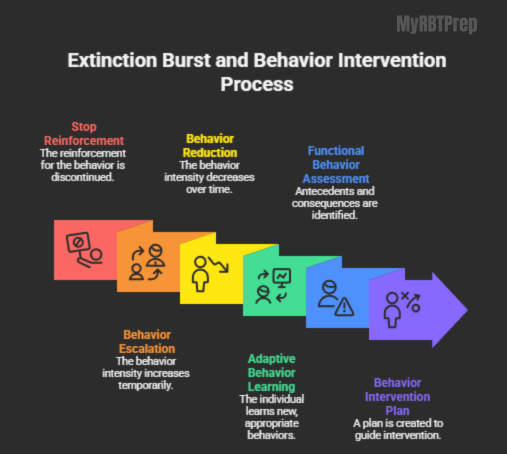
Extinction burst ABA is a short-term increase in behavior intensity after stopping reinforcement. The behavior escalation is usually brief, and the individual often learns adaptive behaviors afterward. Functional behavior assessment (FBA) is crucial to identify antecedents and consequences for the targeted behavior. This helps in creating a behavior intervention plan (BIP) that guides both therapists and parents.

RBT® Exam Flashcards & Study App (3rd Edition)
Master essential ABA terminology and clinical discrimination across all 6 BACB task list areas with 500+ printable and digital flashcards, real exam cues, and full mobile app access.

Why Do Extinction Bursts Occur?
Extinction bursts in ABA therapy occur because the individual tries to get the reinforcement they had previously received. The sudden removal of rewards can trigger challenging behaviors in autism. Children may act out more as they test the limits of the new rules. This shows why extinction bursts happen and why it is a natural part of behavior change. Consistency is key during this phase, because reinforcing old behavior even once can restart the cycle.
Applied behavior analysis therapy explains this with reinforcement contingencies. The brain expects rewards and reacts when they disappear. Behavioral psychology research shows that the more reinforced a behavior was, the stronger the initial behavior escalation may be. Understanding this can reduce stress for caregivers and improve ABA behavior management.
| Concept | Explanation | Example / Application |
| Reason for Extinction Bursts | Extinction bursts occur because the individual tries to regain reinforcement they previously received. Sudden removal of rewards can trigger challenging behaviors in autism. | A child may act out more when attention or treats are no longer given after a previously reinforced behavior. |
| Why Extinction Bursts Happen | The behavior intensifies temporarily as part of the natural behavior change process. Consistency is key to prevent restarting the cycle. | Ignoring a tantrum consistently ensures the behavior decreases over time instead of escalating again. |
| Reinforcement Contingencies | ABA therapy shows that the brain expects rewards and reacts when they are removed. Strongly reinforced behaviors produce stronger bursts. | If a child received attention every time they yelled, the initial yelling may become more intense when attention stops. |
| Behavior Escalation | The more a behavior was reinforced, the stronger the initial surge in intensity or frequency. This is a normal reaction. | Tantrums may last longer or be louder before gradually decreasing. |
| Caregiver Guidance | Understanding why extinction bursts happen helps caregivers remain calm, maintain consistency, and improve ABA behavior management. | Parents learn not to give in to old behaviors and instead support replacement behaviors during therapy sessions. |
Behavioral Explanation
Extinction bursts in ABA therapy are temporary and predictable. The child experiments with replacement behaviors or intensifies the target behavior. With therapist-led interventions, this phase teaches long-term behavior improvement. Behavior frequency and intensity decrease over time when positive reinforcement is consistently applied for adaptive behaviors.
How Long Do Extinction Bursts Last?
The duration of extinction bursts in ABA therapy depends on the child and the target behavior. Most bursts last a few days to a week. Some behaviors may take longer to settle, especially if they were strongly reinforced before. Behavior tracking and data collection help determine the length and progress. Shorter bursts usually indicate that the extinction protocol is being implemented correctly.
The behavior change process is gradual. Children begin to try replacement behaviors as the undesired behavior stops producing results. Applied behavior analysis therapy uses differential reinforcement, including DRO (Differential Reinforcement of Other Behavior), DRA (Differential Reinforcement of Alternative Behavior), and DRI (Differential Reinforcement of Incompatible Behavior). These techniques encourage long-term behavior improvement and help develop adaptive behaviors.
| Concept | Explanation | Example / Application |
| Duration of Extinction Bursts | Lasts a few days to a week, depending on the child and target behavior. | Strongly reinforced behaviors may take longer to settle. |
| Behavior Tracking | Data collection helps determine how long the burst lasts and monitor progress. | Recording tantrum frequency and intensity during sessions. |
| Behavior Change Process | Gradual process where children start trying replacement behaviors. | Child uses polite requests instead of yelling once attention stops. |
| Differential Reinforcement | ABA therapy uses DRO, DRA, and DRI to encourage adaptive behaviors. | Rewarding absence of problem behavior (DRO) or teaching an incompatible behavior (DRI). |
| Long-Term Behavior Improvement | These techniques support skill acquisition and adaptive behavior development. | Child learns socially acceptable ways to communicate and manage impulses. |
Timeline and Progress
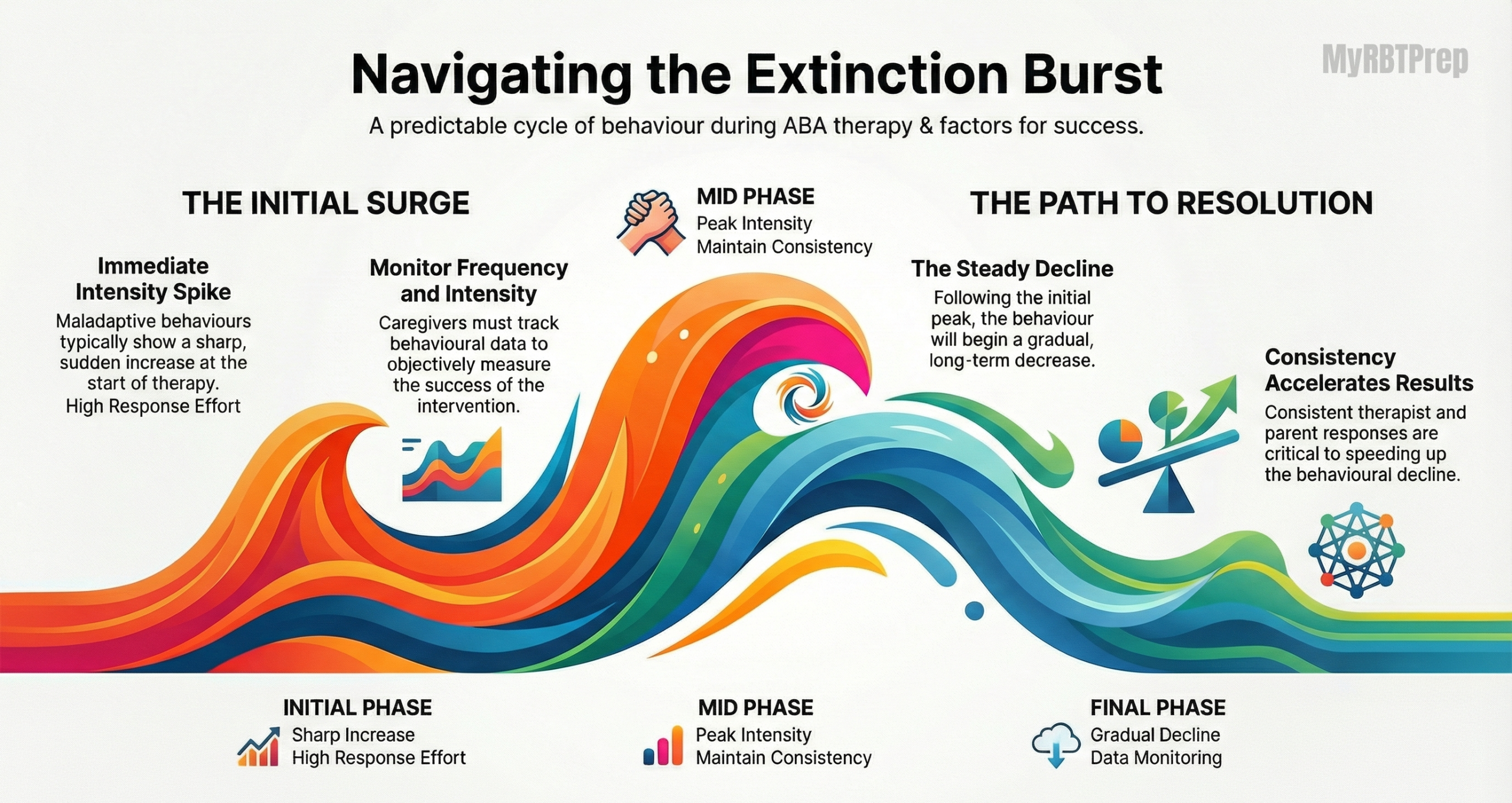
Extinction bursts in ABA therapy start with a sharp increase in maladaptive behavior, followed by a gradual decline. Response effort and consistency from parents and therapists accelerate the decrease. By monitoring the behavior frequency and intensity, caregivers can measure success in ABA intervention strategies.
Common Signs and Behaviors During an Extinction Burst
During extinction burst ABA, children may show tantrums, aggression, or self-stimulation. Some behaviors might appear more intense than ever. Behavior escalation is normal and part of the behavior change process. Children may try new strategies to get the reinforcement, which can include crying, hitting, or verbal outbursts. Parents should recognize that these behaviors are part of learning adaptive behaviors.
Applied behavior analysis therapy emphasizes careful observation. Behavior tracking and data collection allow therapists to identify antecedents and consequences. Understanding the signs helps families in handling extinction bursts at home and ensures managing behavior safely. Over time, skill acquisition replaces maladaptive behavior.
Observable Indicators
Common signs include increased tantrums, repetitive behaviors, aggression, or attention-seeking actions. These reflect a temporary increase in behavior. With proper ABA therapy for parents, caregivers can respond using home-based ABA strategies to reduce stress and improve long-term behavior improvement.
The Role of ABA Therapy in Managing Extinction Bursts
Applied behavior analysis therapy provides structured interventions to guide children through extinction bursts in ABA therapy. Therapists use evidence-based ABA strategies to reinforce adaptive behaviors and reduce maladaptive behavior. ABA intervention strategies include creating a predictable environment, reinforcing positive behavior, and teaching functional communication. These methods ensure the behavior reduction strategies are consistent and effective.
Therapists also monitor the behavior frequency and intensity. Through data-driven decision making, they adjust interventions based on behavior tracking and data collection. By applying therapist-led interventions, children can learn impulse control training, manage frustration, and achieve long-term behavior improvement.
Therapist Approach
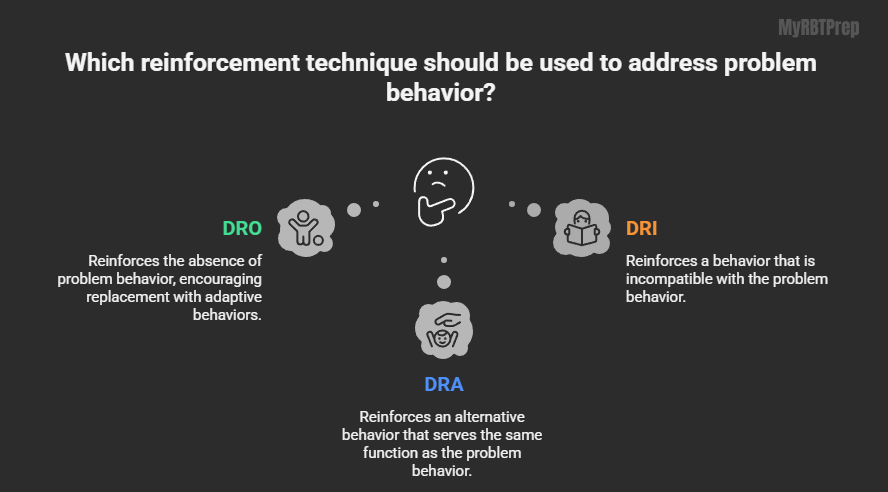
Therapists implement differential reinforcement and monitor behavior escalation. Techniques like DRO, DRA, and DRI guide children to replace problem behavior with adaptive behaviors. Positive reinforcement ensures the child understands which behaviors lead to success.
Evidence-Based Strategies to Manage Extinction Bursts
Extinction bursts in ABA therapy can be managed with clear, consistent strategies. Consistency is key when implementing reinforcement withdrawal. Differential reinforcement techniques are central to this process. For example, DRO rewards the absence of problem behavior, while DRA reinforces a suitable alternative. DRI encourages a behavior incompatible with the undesired action. These strategies help in replacing problem behavior safely.
Behavior tracking and data collection are essential. They allow therapists to evaluate the effectiveness of ABA intervention strategies. Structured routines, teaching functional communication, and rewarding replacement behaviors all contribute to long-term behavior improvement. Clinical studies on extinction confirm that these methods are the most effective.
| Concept | Explanation | Example / Application |
| Consistency | Maintaining steady reinforcement withdrawal is essential. | Avoid giving attention for problem behavior to prevent restarting the cycle. |
| Differential Reinforcement | Techniques like DRO, DRA, and DRI help replace problem behavior safely. | DRO rewards absence of tantrums; DRA reinforces polite requests; DRI teaches incompatible behaviors. |
| Behavior Tracking | Data collection monitors effectiveness of ABA intervention strategies. | Tracking frequency, intensity, and triggers of undesired behaviors. |
| Structured Routines | Predictable routines help reduce challenging behaviors in autism. | Daily schedules for therapy and home support. |
| Functional Communication | Teaching functional communication supports adaptive behaviors. | Child learns to ask for breaks or attention appropriately. |
| Clinical Evidence | Research-backed ABA methods confirm these strategies improve long-term behavior. | Studies show DRO, DRA, and DRI reduce maladaptive behaviors effectively. |
Step-by-Step Strategies
Start by observing the target behavior and applying the extinction protocol. Reinforce adaptive behaviors and avoid giving attention to maladaptive behavior. Consistent monitoring through behavior tracking and data collection ensures that positive reinforcement is applied at the right time, creating predictable results.
What Parents Can Do During an Extinction Burst
Parents play a crucial role in handling extinction bursts at home. Consistency is key. Avoid reinforcing tantrums or problem behaviors, even accidentally. Instead, reinforce replacement behaviors and teach functional communication. ABA therapy for parents can provide guidance on maintaining calm and applying home-based ABA strategies.
Families should focus on supporting a child with autism emotionally while implementing behavior reduction strategies. Caregiver consistency and managing tantrums during therapy can make a huge difference. Emotional support for families is equally important to prevent burnout and ensure long-term behavior improvement.
At-Home Guidance
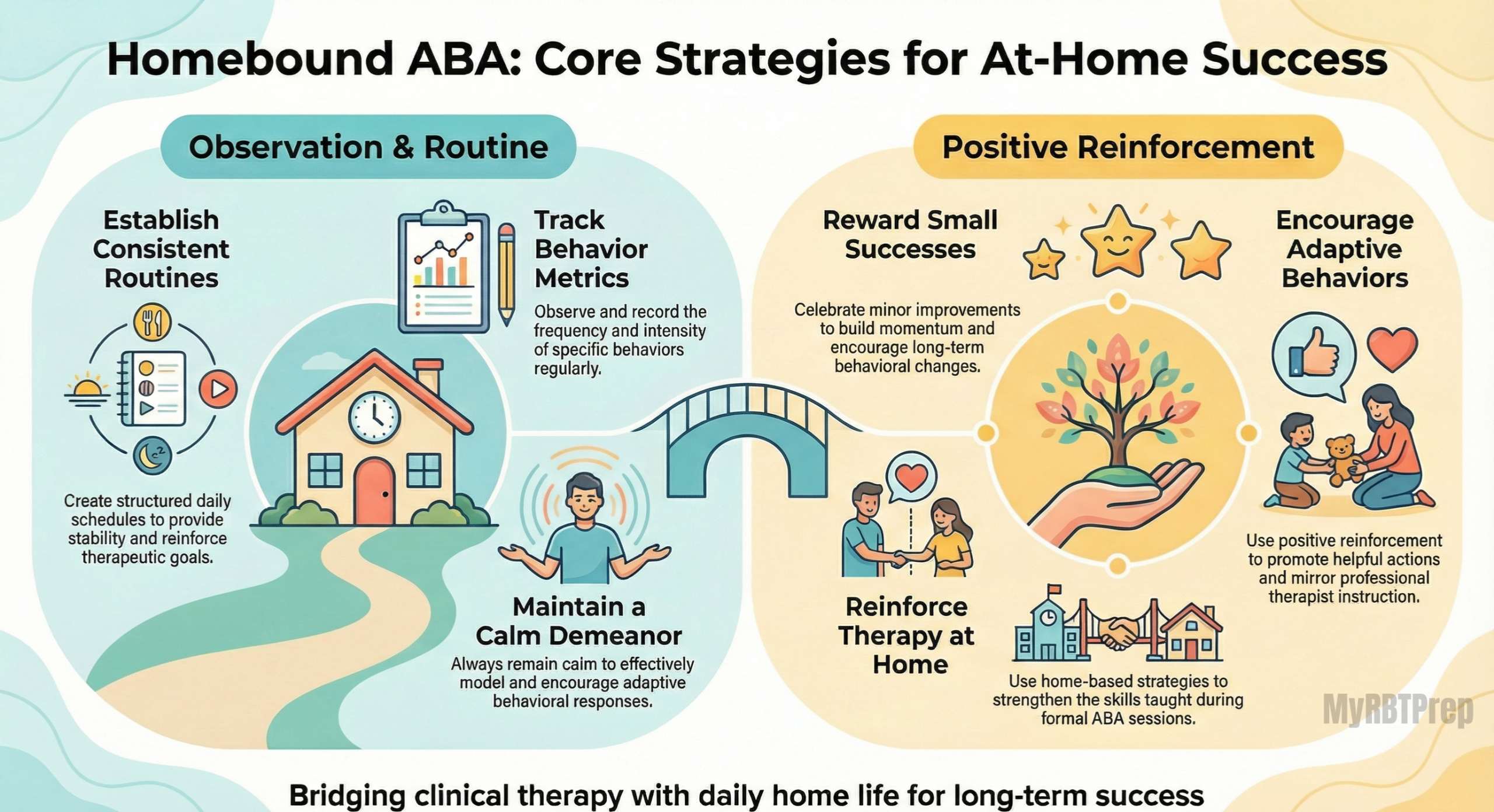
Create routines, reward small successes, and track behavior. Using ABA intervention strategies at home reinforces what the therapist teaches. Always remain calm, observe behavior frequency and intensity, and encourage adaptive behaviors through positive reinforcement.
Risks, Challenges, and Safety Considerations
Extinction bursts in ABA therapy can carry risks if behavior becomes aggressive or harmful. Behavior escalation may lead to injury or property damage. Understanding antecedents and consequences allows parents and therapists to minimize risks. Maintaining caregiver consistency and following evidence-based ABA strategies ensures managing behavior safely.
Emotional challenges are also present. Children may experience frustration, and parents may feel stressed. ABA behavior management relies on clinical evidence in ABA therapy, guiding families through behavior reduction strategies. Applying research-backed ABA methods ensures a safer, more predictable outcome for everyone involved.
| Concept | Explanation | Example / Application |
| Behavior Escalation Risks | Extinction bursts can become aggressive or harmful if unmanaged. | Tantrums may cause injury or property damage during therapy sessions. |
| Antecedents and Consequences | Understanding triggers and outcomes helps minimize risks. | Identifying situations that provoke tantrums to prevent escalation. |
| Caregiver Consistency | Following evidence-based ABA strategies ensures managing behavior safely. | Parents maintaining routines and not reinforcing problem behaviors. |
| Emotional Challenges | Children may feel frustrated, and parents may feel stressed. | Providing emotional support while guiding children through extinction bursts. |
| Research-Backed ABA Methods | Clinical evidence in ABA therapy guides safe and predictable behavior reduction. | Applying DRO, DRA, and DRI consistently reduces maladaptive behaviors safely. |
Safety Protocols
Monitor closely, use structured routines, and provide a safe environment. Therapist-led interventions can include crisis plans and adjustments to the behavior intervention plan (BIP). Always apply positive reinforcement for adaptive behaviors while avoiding reinforcement of maladaptive behavior.
Real-Life Example of an Extinction Burst (Case Scenario)
A six-year-old boy with autism learned to shout for attention. When his parents stopped responding, his yelling initially worsened. This is a classic extinction burst ABA scenario. With applied behavior analysis therapy, the child was guided to use functional communication instead. His tantrums decreased steadily over two weeks. Behavior tracking and data collection documented the progress.
The behavior change process included DRA and DRI techniques, rewarding alternative behaviors, and teaching coping skills. The final outcome showed improved communication, reduced tantrums, and long-term behavior improvement. This illustrates how evidence-based ABA strategies can successfully manage challenging behaviors in autism.
Case Outcome
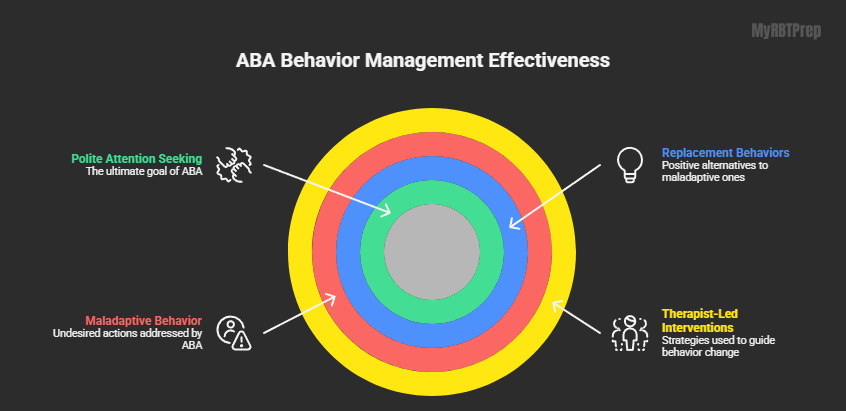
After consistent application of therapist-led interventions, the child learned to ask for attention politely. Replacement behaviors replaced maladaptive behavior, demonstrating the effectiveness of ABA behavior management in real-life settings.
When to Seek Professional Help
When ABA therapy’s extinction burst has gone on too long or is dangerous, it’s important that parents reach out for assistance from BCBA support or other trained therapists to assist in how to change the behavior intervention plan (BIP) & implement safer ABA intervention strategies. Parents should look for warning signs such as acts of physical aggression toward themselves or others, self-injurious behavior, exhibiting extreme emotional distress, etc.
There are evidence-based methods of ABA therapy that are structured in their approach to keep behaviors being managed safely. Extensive research has shown that the very best outcomes are achieved through early professional intervention based on ABA techniques being used. Working in conjunction with professionals, parents will ensure that their child will continue to receive long-term improvement of their behavior while they (parents) will receive emotional support.
| Concept | Explanation | Example / Application |
| Professional Support | Contact BCBA or trained therapists when extinction bursts are prolonged or dangerous. | Parents reach out if tantrums include aggression or self-injury. |
| Warning Signs | Look for physical aggression, self-harming, or extreme emotional distress. | Child hitting themselves or others repeatedly during therapy sessions. |
| Evidence-Based ABA Methods | Structured ABA interventions ensure safe behavior management. | Using DRO, DRA, and DRI techniques with professional guidance. |
| Early Intervention | Research shows early professional help leads to the best long-term outcomes. | Adjusting the behavior intervention plan (BIP) quickly to prevent escalation. |
| Parental Support | Professionals provide guidance and emotional support while managing challenging behaviors. | Parents learn safe strategies to reinforce adaptive behaviors at home. |
Professional Support Options
Certified BCBAs or ABA therapists can provide tailored behavior intervention plans, modify extinction protocols, and train parents in home-based ABA strategies. Professional oversight is key to achieving positive reinforcement for adaptive behaviors while minimizing maladaptive behavior.
FAQs
Q: How do you handle an extinction burst?
A: Remain consistent, avoid reinforcing the behavior, and reinforce replacement behaviors using structured ABA strategies.
Q: What is extinction burst in RBT?
A: It’s a temporary increase in challenging behavior when reinforcement is removed, managed using ABA intervention strategies.
Q: How to deal with extreme challenging behaviour?
A: Apply differential reinforcement, maintain consistency, and use behavior tracking and data collection to guide interventions.
Q: What is the extinction procedure where challenging behavior is maintained by positive reinforcement?
A: It’s called extinction in ABA, where reinforcement withdrawal stops the previously reinforced behavior to reduce it safely.
Q: What is extinction in behavior management?
A: Extinction is the process of discontinuing reinforcement for a target behavior, leading to gradual reduction over time.

Everything You Need to Pass Your RBT® Exam
Study with our complete, all-in-one preparation package covering every task on the BACB Task List 3.0:
- 1,000+ Practice Questions & Timed Simulator
- 3rd Edition Task List Study Guide & Workbook
- Active Recall Flashcards System + Mobile App
- 20-Task Competency Assessment Mastery Guide