If you’re interested in working with children with autism and making a meaningful impact in people’s lives, becoming a Registered Behavior Technician (RBT) can be an excellent career choice. One of the biggest advantages of the RBT credential is that, unlike many healthcare and education careers, it does not require a college degree.
Many people assume that working in behavioral health requires years of university education, but the RBT certification pathway is much more accessible. In fact, thousands of RBTs begin their careers with only a high school diploma or equivalent and go on to build successful careers in Applied Behavior Analysis (ABA).
This makes the RBT credential particularly attractive for recent high school graduates, career changers, parents re-entering the workforce, and individuals looking for a rewarding profession without spending years earning a degree.
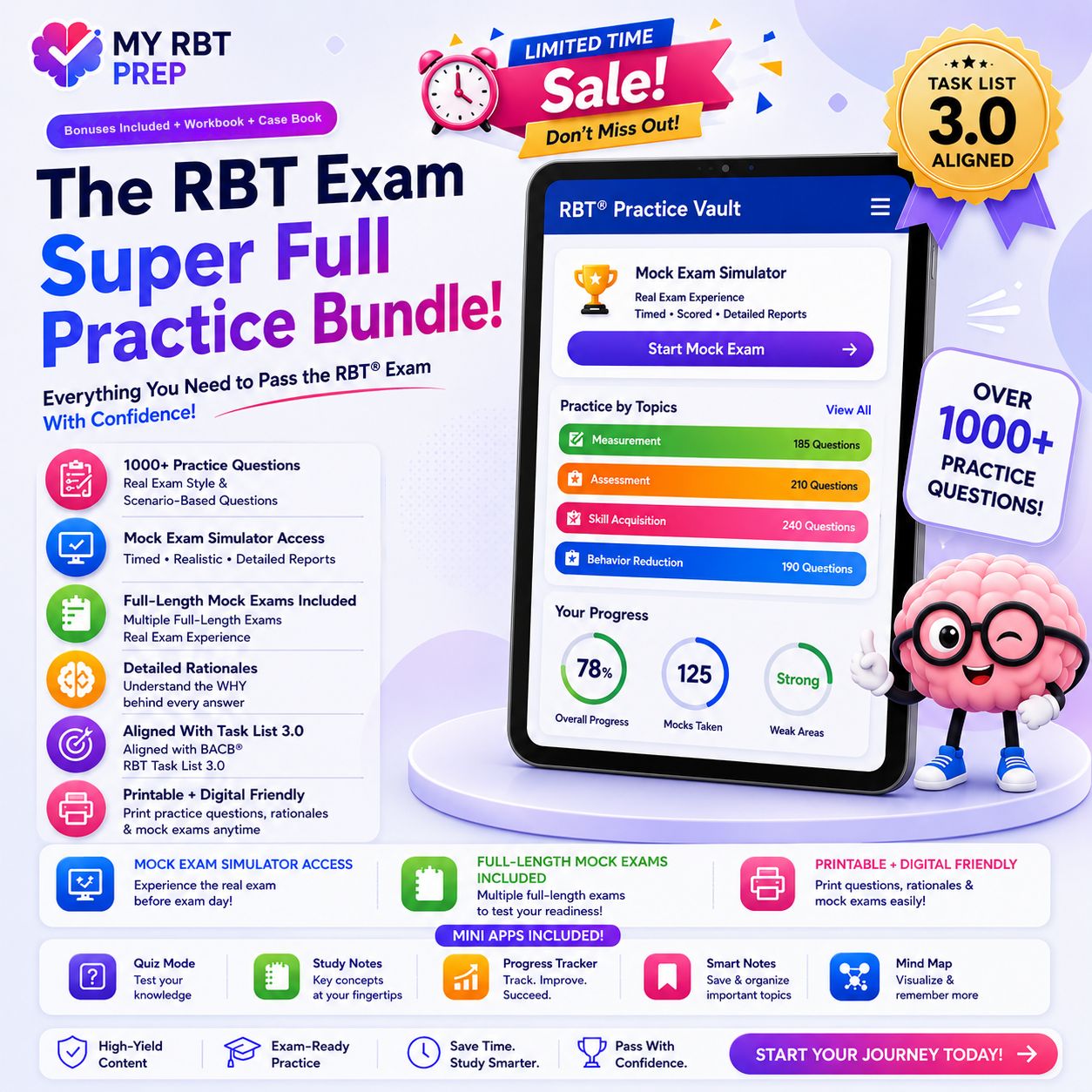
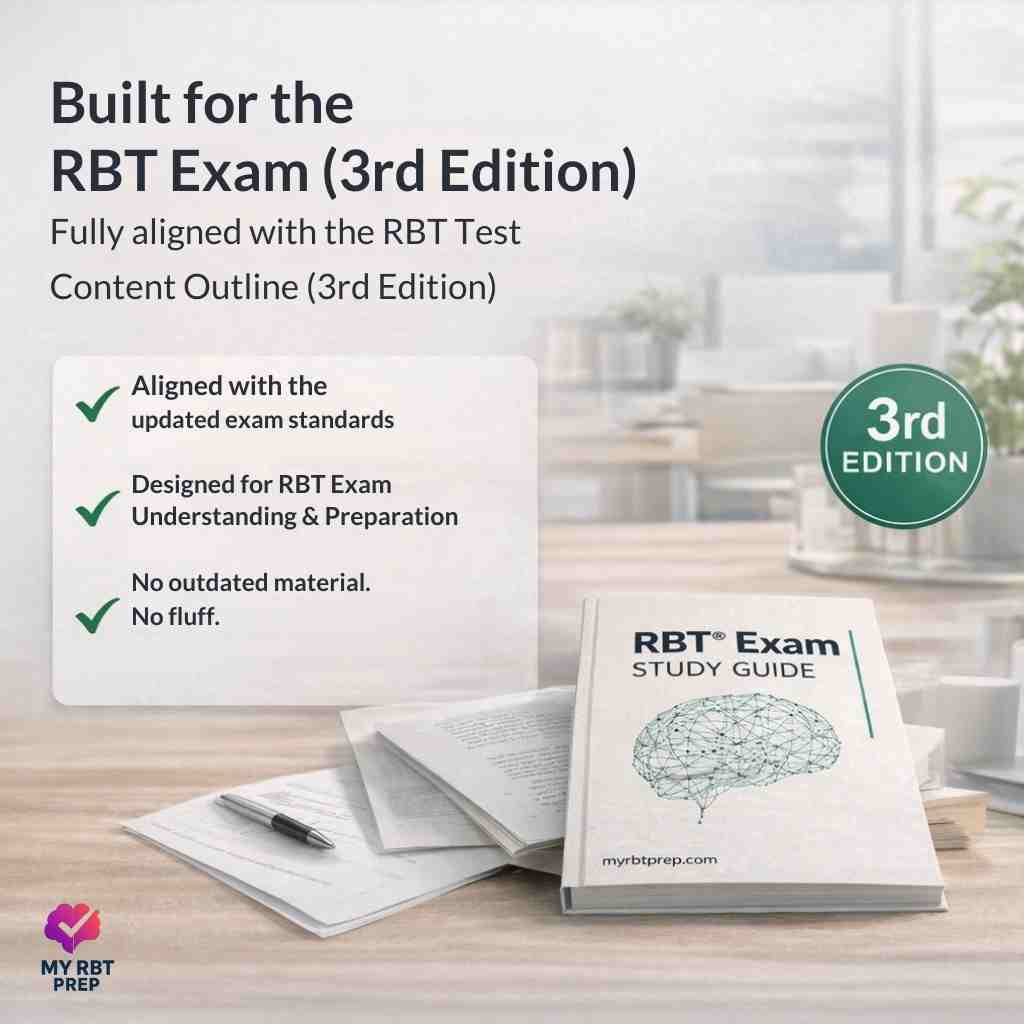
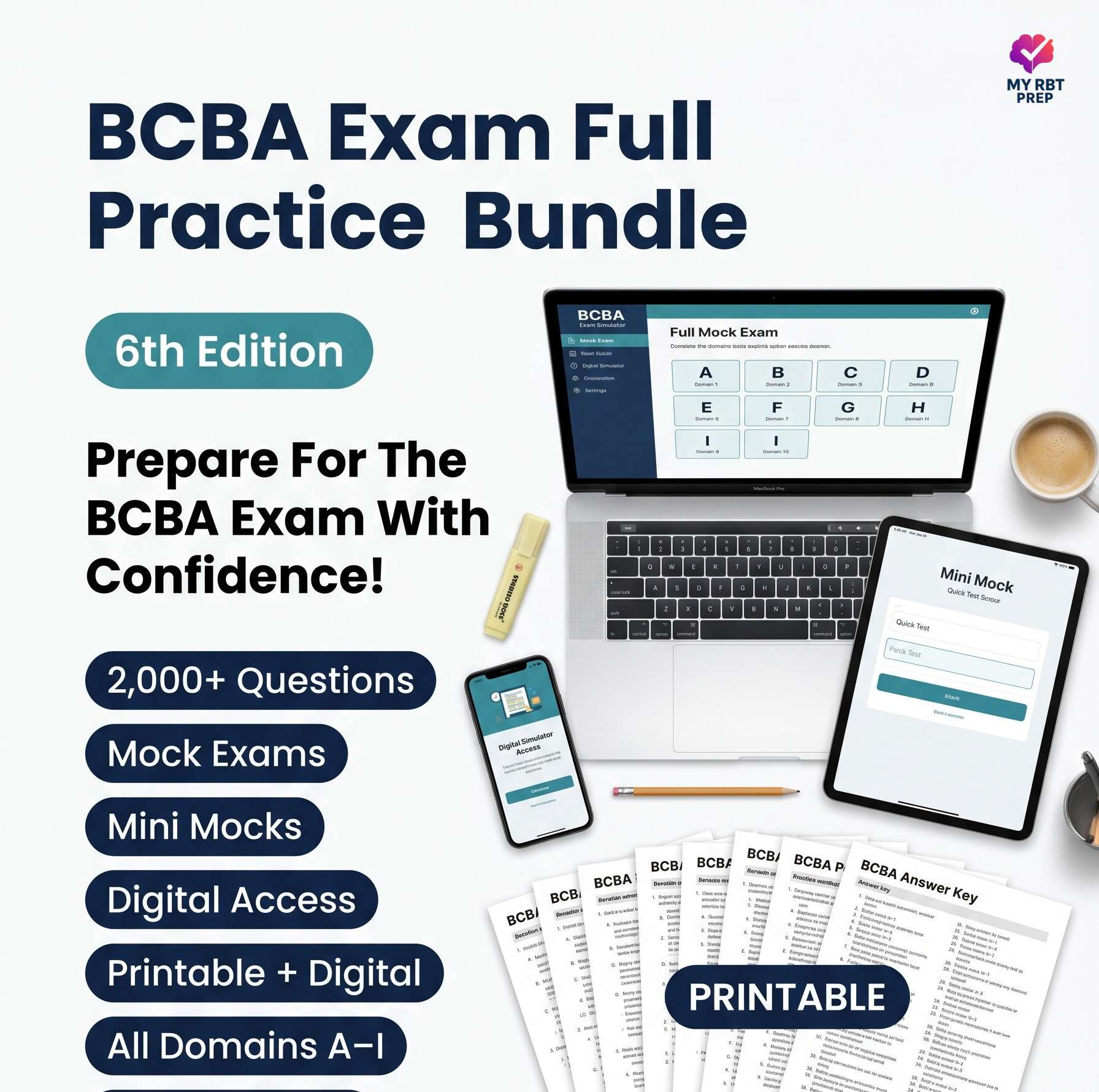
Pass Your RBT® Exam on the First Attempt
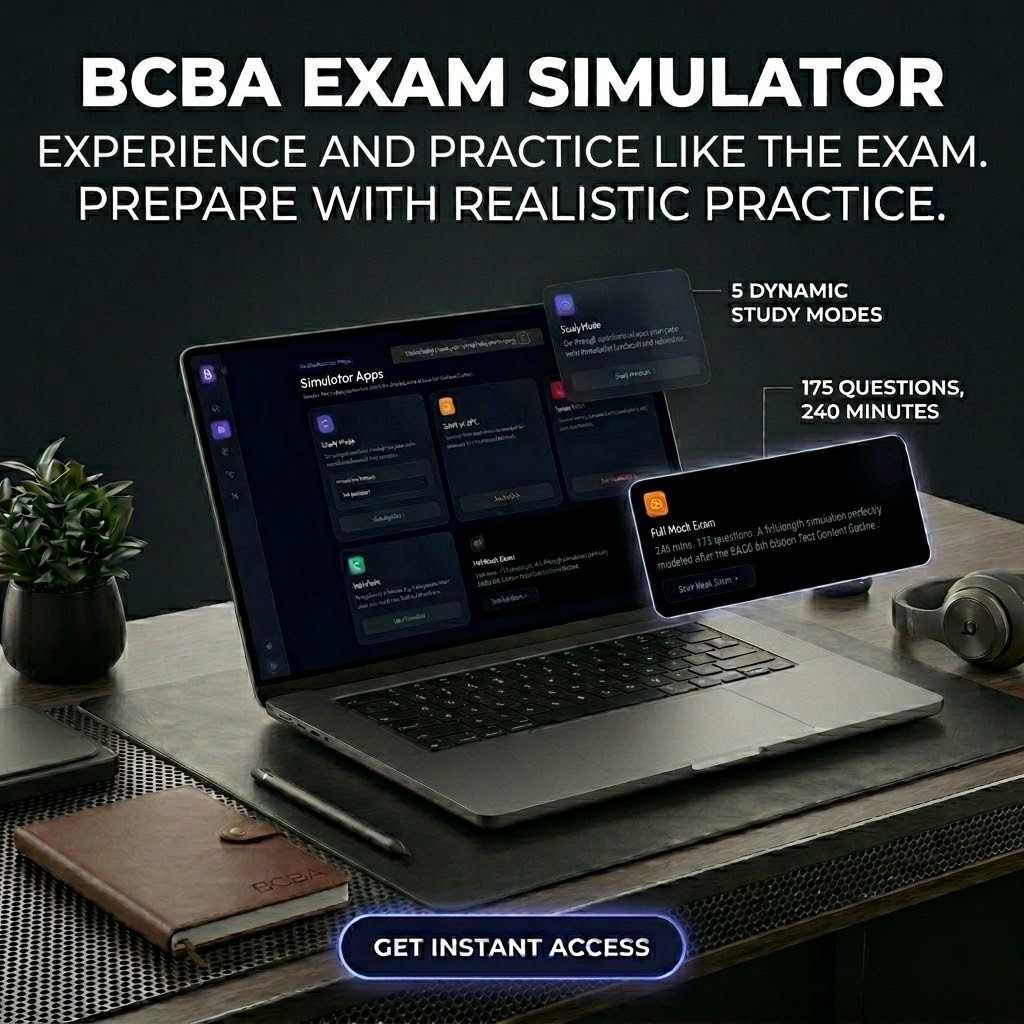
Practice with 1,000+ realistic scenario questions, multiple full-length timed mock exams, and detailed rationales formatted exactly like the real Pearson VUE test.
In this guide, you’ll learn exactly how to become an RBT without a degree, the requirements you’ll need to meet, the certification process, costs, timelines, and career opportunities available after certification.
Can You Become an RBT Without a Degree?
The short answer is yes.
One of the most common misconceptions about ABA careers is that every professional needs a bachelor’s or master’s degree. While higher-level credentials such as BCBA certification require advanced education, the RBT credential does not.
According to the Behavior Analyst Certification Board (BACB), individuals can qualify for RBT certification if they meet specific education, training, assessment, and examination requirements. The minimum education requirement is a high school diploma or equivalent.
This means you can begin working toward your certification without attending college.
For many individuals, the RBT credential serves as an entry point into the field of ABA, allowing them to gain valuable experience before deciding whether to pursue additional education in the future.
RBT Eligibility Requirements
| Requirement | Needed? |
|---|---|
| College Degree | ❌ No |
| High School Diploma/GED | ✅ Yes |
| Minimum Age 18 | ✅ Yes |
| Background Check | ✅ Yes |
| 40-Hour Training | ✅ Yes |
| Competency Assessment | ✅ Yes |
| RBT Exam | ✅ Yes |
Why Many People Choose the RBT Path
The RBT credential has become increasingly popular because it offers a relatively quick route into a growing healthcare field.

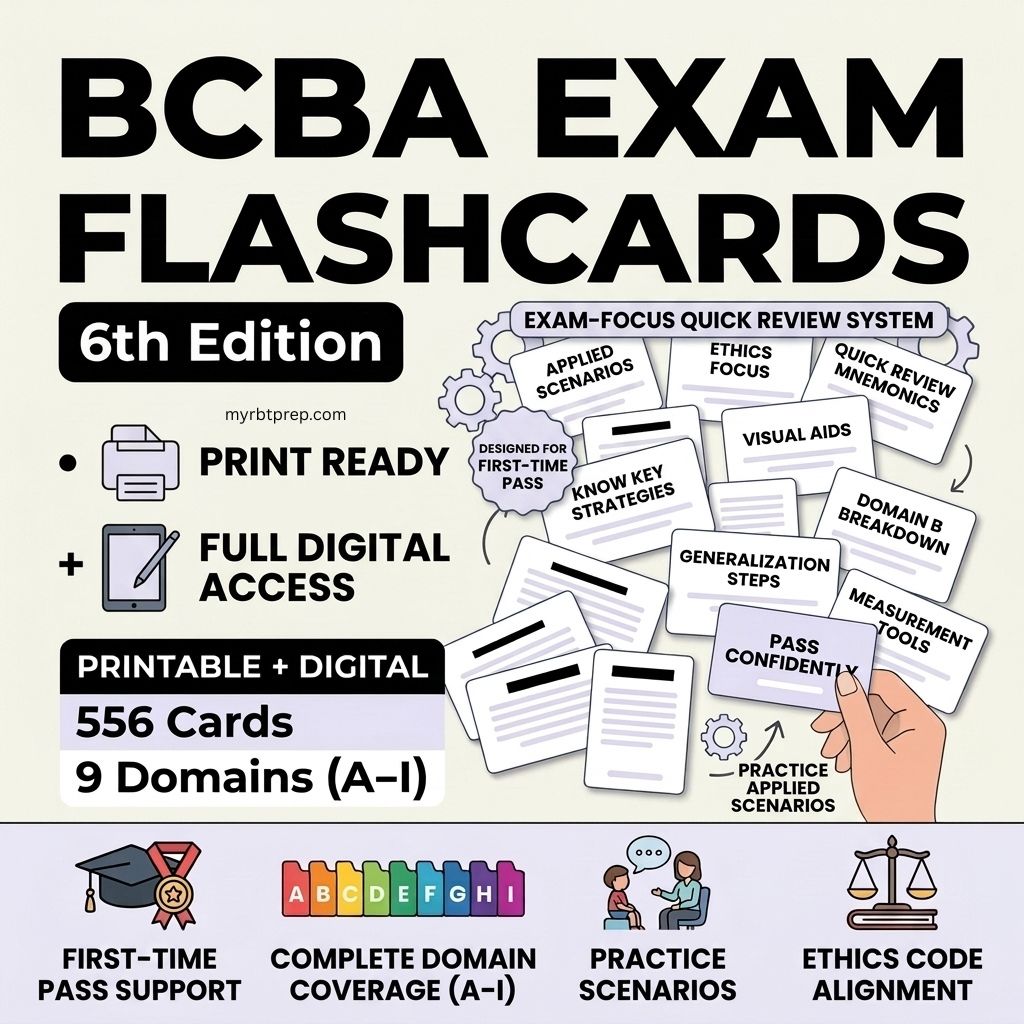
RBT® Exam Flashcards & Study App (3rd Edition)
Master essential ABA terminology and clinical discrimination across all 6 BACB task list areas with 500+ printable and digital flashcards, real exam cues, and full mobile app access.
Compared to careers requiring four-year degrees, the RBT pathway offers:
- Lower educational costs
- Faster entry into the workforce
- Growing job demand
- Meaningful work with clients
- Opportunities for career advancement
- Flexible work settings
Many people are able to complete certification requirements within a few months and begin working shortly afterward.
Additionally, because autism services continue expanding across the United States and internationally, demand for qualified RBTs remains strong.
Step 1: Meet the Basic Eligibility Requirements
Before beginning the certification process, you must ensure that you meet the BACB’s minimum eligibility standards.
To qualify, you must:
- Be at least 18 years old
- Possess a high school diploma or equivalent
- Pass a criminal background check
- Meet all BACB ethical and professional requirements
The education requirement is often the biggest concern for prospective applicants. Fortunately, a college degree is not necessary.
As long as you have completed high school or obtained a GED, you satisfy the educational requirement for RBT certification.
Step 2: Complete the 40-Hour RBT Training
One of the most important steps in becoming an RBT is completing the required 40-hour training program.
This training introduces candidates to:
- ABA principles
- Behavior reduction strategies
- Skill acquisition procedures
- Data collection methods
- Professional conduct
- Ethics requirements
- Client rights
- Documentation practices
The training ensures that candidates possess a foundational understanding of ABA before working directly with clients.
Many providers offer online training programs, making it convenient for individuals to complete the requirement from home.
Topics Covered in the 40-Hour Training
| Training Area | Description |
|---|---|
| Measurement | Data collection and recording |
| Assessment | Understanding behavioral assessments |
| Skill Acquisition | Teaching new skills |
| Behavior Reduction | Managing challenging behaviors |
| Documentation | Recording and reporting information |
| Ethics | Professional responsibilities |
Most candidates complete the training over several weeks, although some programs allow self-paced learning.
Step 3: Find a Qualified Supervisor
After completing the training, you’ll need supervision from a qualified professional, typically a Board Certified Behavior Analyst (BCBA).
The BCBA plays a critical role in the certification process by:
- Conducting competency assessments
- Providing supervision
- Verifying requirements
- Supporting professional development
Many individuals secure employment with ABA providers before certification, allowing them to receive supervision through their employer.
Finding a supportive supervisor is important because they will guide you throughout your early experiences in the field.
Step 4: Pass the RBT Competency Assessment
The competency assessment is designed to verify that candidates can demonstrate essential RBT skills.
Unlike a written exam, the assessment evaluates practical abilities in real or simulated situations.
Areas commonly assessed include:
- Data collection
- Teaching procedures
- Behavior reduction strategies
- Professional communication
- Ethics implementation
The supervising BCBA observes the candidate performing specific tasks and determines whether competency standards have been met.
Competency Assessment Areas
| Skill Area | Examples |
|---|---|
| Measurement | Recording behavior accurately |
| Skill Acquisition | Implementing teaching procedures |
| Behavior Reduction | Following intervention plans |
| Documentation | Reporting session information |
| Professional Conduct | Maintaining ethical standards |
Passing the competency assessment is required before applying for certification.
Step 5: Submit Your RBT Application
Once training and competency assessment requirements have been completed, you can submit your application to the BACB.
The application typically includes:
- Personal information
- Education verification
- Competency assessment documentation
- Background check information
- Application fees
It’s important to review all information carefully before submission to avoid delays.
Incomplete applications are one of the most common reasons for processing delays.
Step 6: Pass the RBT Certification Exam
After your application is approved, you’ll receive authorization to schedule the RBT exam.
The exam evaluates knowledge across several content areas, including:
- Measurement
- Assessment
- Skill acquisition
- Behavior reduction
- Documentation
- Professional conduct
Questions are multiple-choice and designed to assess both knowledge and practical application of ABA principles.
Many candidates prepare using:
- Practice exams
- Study guides
- Flashcards
- Online review courses
- Training materials
Although the exam is manageable with proper preparation, studying consistently is highly recommended.
Major Exam Content Areas
| Content Area | Focus |
|---|---|
| Measurement | Data collection methods |
| Assessment | Observation procedures |
| Skill Acquisition | Teaching interventions |
| Behavior Reduction | Behavior management |
| Documentation | Reporting responsibilities |
| Ethics | Professional conduct |
Common Myths About Becoming an RBT Without a Degree
Many misconceptions discourage people from pursuing RBT certification.
Let’s address some of the most common myths.
Myth #1: You Need a College Degree
False.
The BACB only requires a high school diploma or equivalent.
Myth #2: The Training Is Too Difficult
Most candidates successfully complete the training with consistent effort and study.
Myth #3: RBTs Only Work With Children
While many RBTs support children with autism, some work with adolescents and adults in various settings.
Myth #4: There Is No Career Growth
Many RBTs later pursue BCaBA or BCBA certification after gaining experience and further education.
RBT Certification Myths vs Facts
| Myth | Reality |
|---|---|
| Degree required | High school diploma is sufficient |
| Only for psychology majors | Open to all backgrounds |
| No advancement opportunities | Strong career pathways exist |
| Only clinic work available | Multiple settings available |
Benefits of Becoming an RBT Without a Degree
There are several reasons why the RBT credential appeals to individuals who do not have college degrees.
Faster Career Entry
Many people can complete certification requirements within a few months.
Affordable Training
Compared to college tuition, RBT certification costs are significantly lower.
Meaningful Work
RBTs directly impact the lives of individuals and families.
Growing Demand
ABA services continue expanding, creating strong employment opportunities.
Valuable Experience
Working as an RBT provides hands-on experience in healthcare, education, and behavioral services.
Career Growth Opportunities After Becoming an RBT
Although a degree is not required to become an RBT, many professionals eventually use the role as a stepping stone toward advanced careers.
Potential career paths include:
- Senior RBT roles
- Lead Technician positions
- ABA Program Support roles
- Special Education support positions
- BCaBA certification
- BCBA certification
- Behavioral health management
Many employers also provide tuition assistance or career development opportunities.
Career Progression Path
| Career Stage | Education Required |
|---|---|
| RBT | High School Diploma |
| Senior RBT | Experience |
| BCaBA | Bachelor’s Degree |
| BCBA | Master’s Degree |
| Clinical Director | Advanced Experience |
Challenges to Expect
Like any profession, becoming an RBT comes with challenges.
The work can be physically and emotionally demanding. RBTs often support clients experiencing behavioral difficulties, communication challenges, or developmental delays.
Success requires:
- Patience
- Consistency
- Adaptability
- Strong communication skills
- Emotional resilience
However, many professionals find the rewards far outweigh the challenges.
Watching clients achieve important milestones and gain independence can be incredibly fulfilling.
Is RBT Certification Worth It?
For many individuals, the answer is absolutely yes.
The RBT credential provides an accessible pathway into a growing healthcare field without requiring a college degree. It offers opportunities to make a meaningful difference while gaining valuable professional experience.
For those interested in autism services, behavioral health, psychology, education, or healthcare, becoming an RBT can be an excellent first step toward a long and rewarding career.
Final Thoughts
If you’ve been wondering whether you can become an RBT without a college degree, the answer is clear: yes, you can.
The certification process is designed to be accessible while still maintaining high professional standards. By meeting eligibility requirements, completing the 40-hour training, passing the competency assessment, and successfully completing the certification exam, you can begin a rewarding career helping individuals improve their lives through evidence-based ABA services.
Whether you’re starting your first career, changing professions, or exploring opportunities in behavioral health, RBT certification offers a practical and affordable way to enter a rapidly growing field without spending years earning a degree.
Frequently Asked Questions
1. Can I become an RBT without a college degree?
Yes. The BACB only requires a high school diploma or GED, along with training, assessment, and exam requirements.
2. How long does it take to become an RBT?
Most candidates complete the process within a few weeks to a few months, depending on training and scheduling.
3. Is the RBT exam difficult?
The exam is manageable with proper preparation, study materials, and understanding of ABA principles.
4. What jobs can I get as an RBT?
RBTs commonly work in homes, schools, clinics, hospitals, and community-based programs.
5. Can an RBT advance without a degree?
Career advancement opportunities exist through experience, although higher certifications like BCaBA and BCBA eventually require additional education.

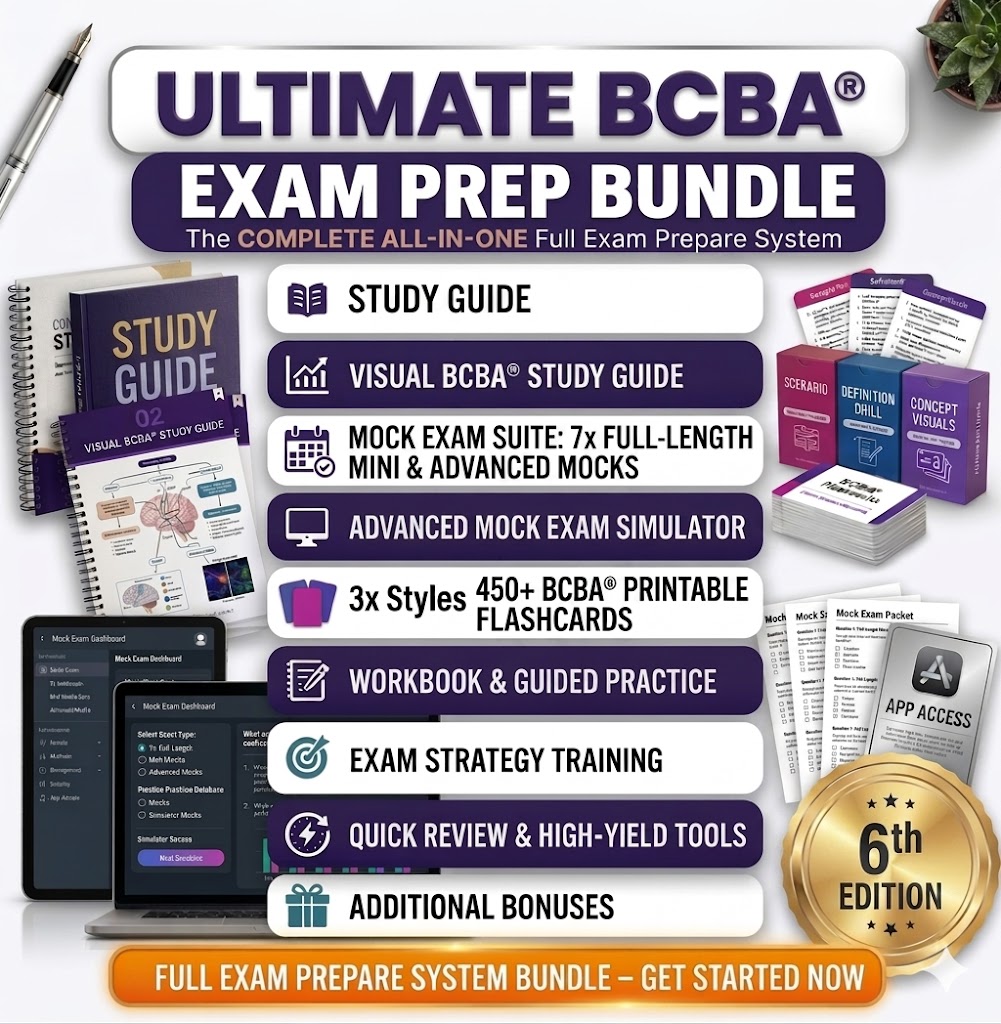
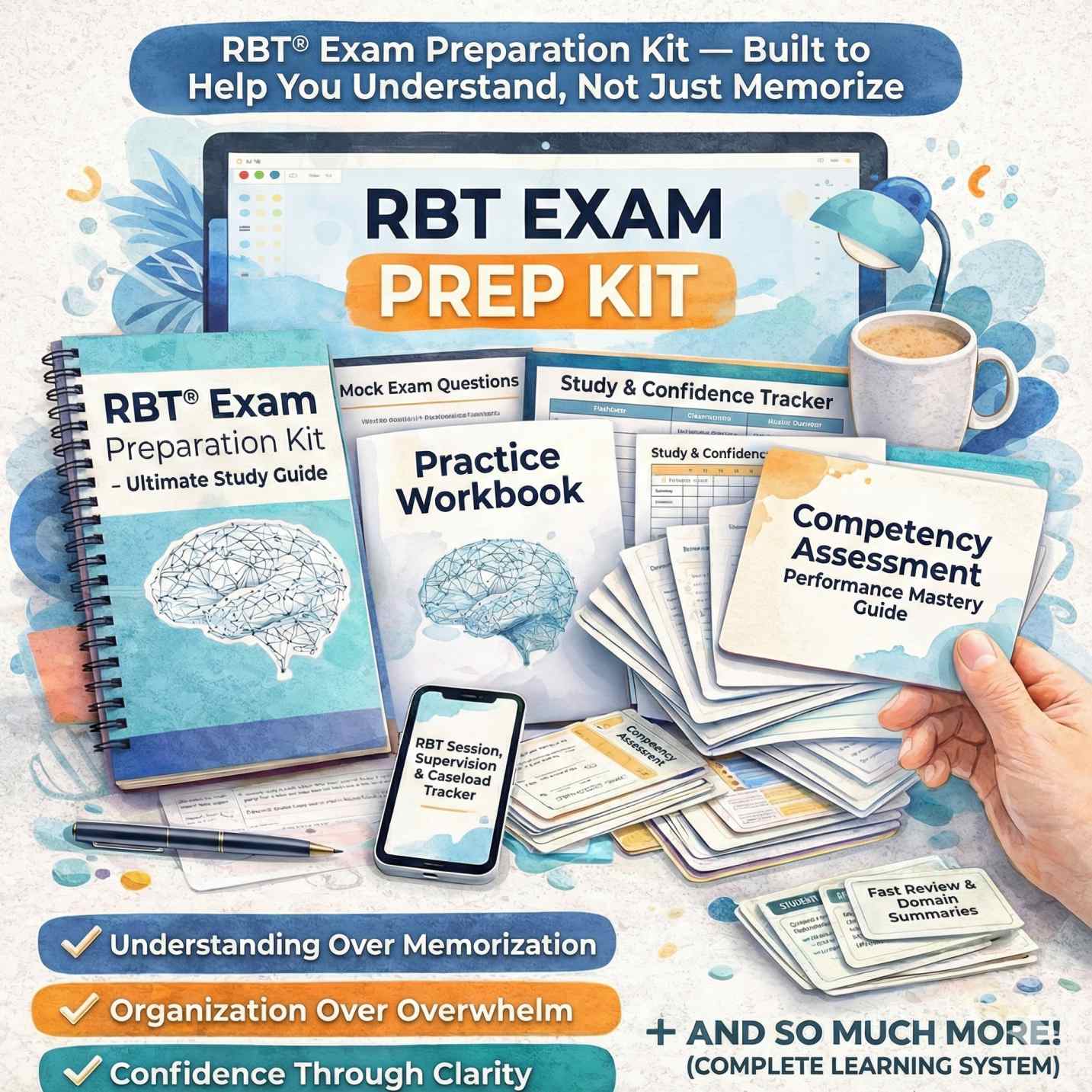
Everything You Need to Pass Your RBT® Exam
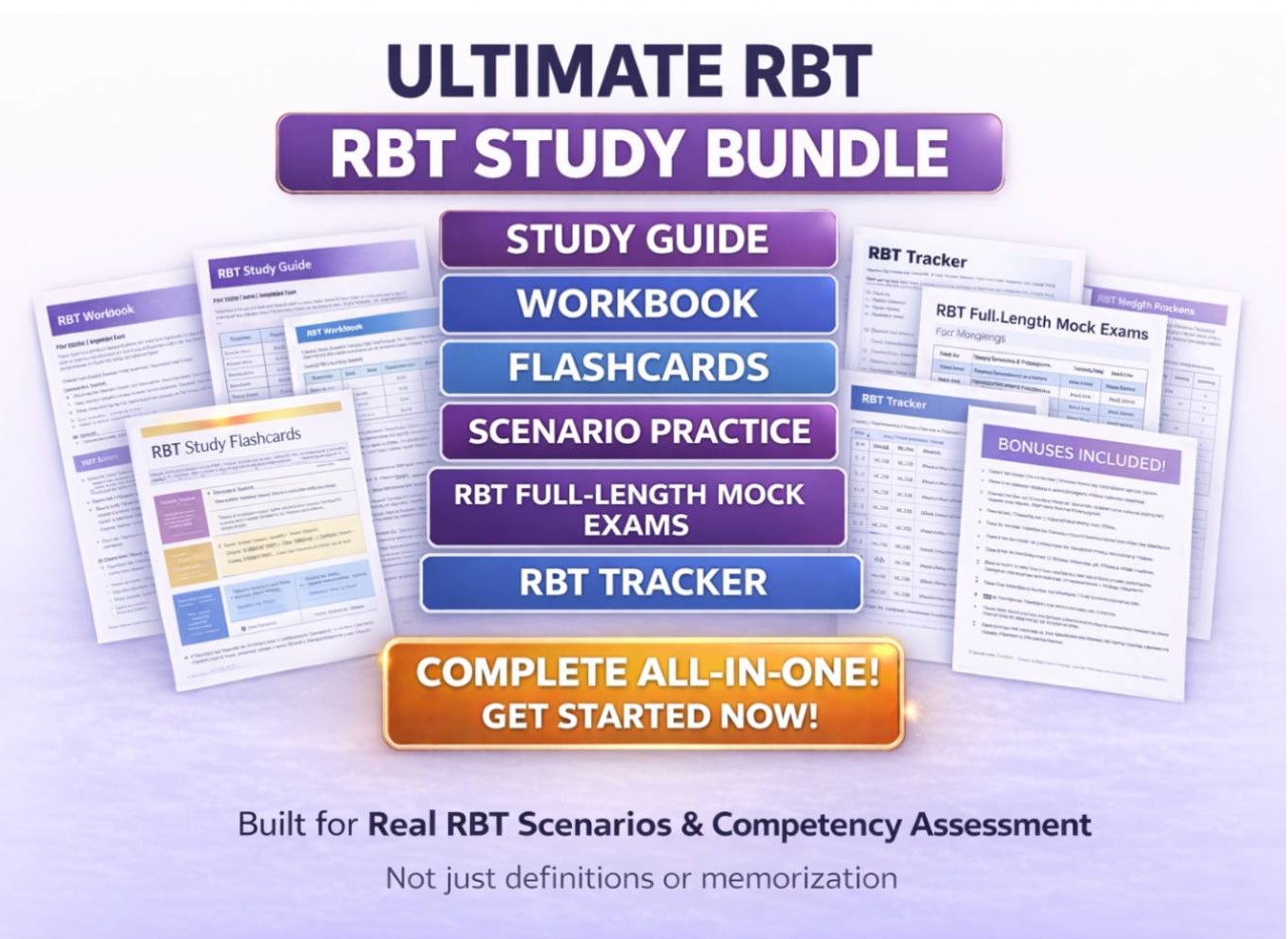
Study with our complete, all-in-one preparation package covering every task on the BACB Task List 3.0:
- 1,000+ Practice Questions & Timed Simulator
- 3rd Edition Task List Study Guide & Workbook
- Active Recall Flashcards System + Mobile App
- 20-Task Competency Assessment Mastery Guide